Ground Zero - the first plot
Learning along the way, the first plot was transformed over a 6 year period - and continues to develop.
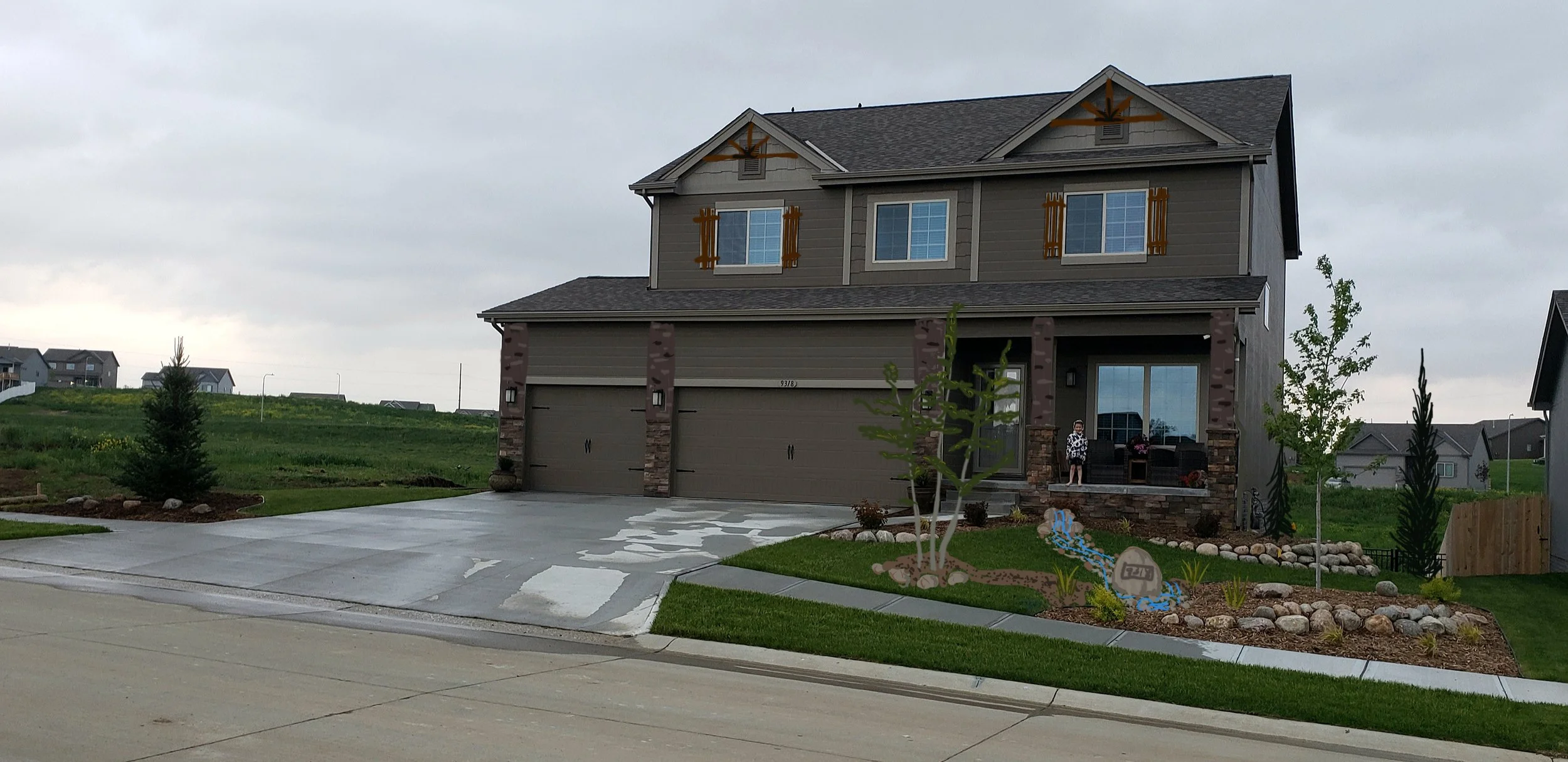
This property is a typical quarter acre plot. The house was built new in Fall of 2019, so the first planting season was Spring of 2020. Being a new lot, there was no top soil - just sod placed onto hard clay soil. It’s a difficult start to building healthy biodiverse soil. It’s also not a great start for anything planted in the ground to be able to thrive, but nature finds a way.
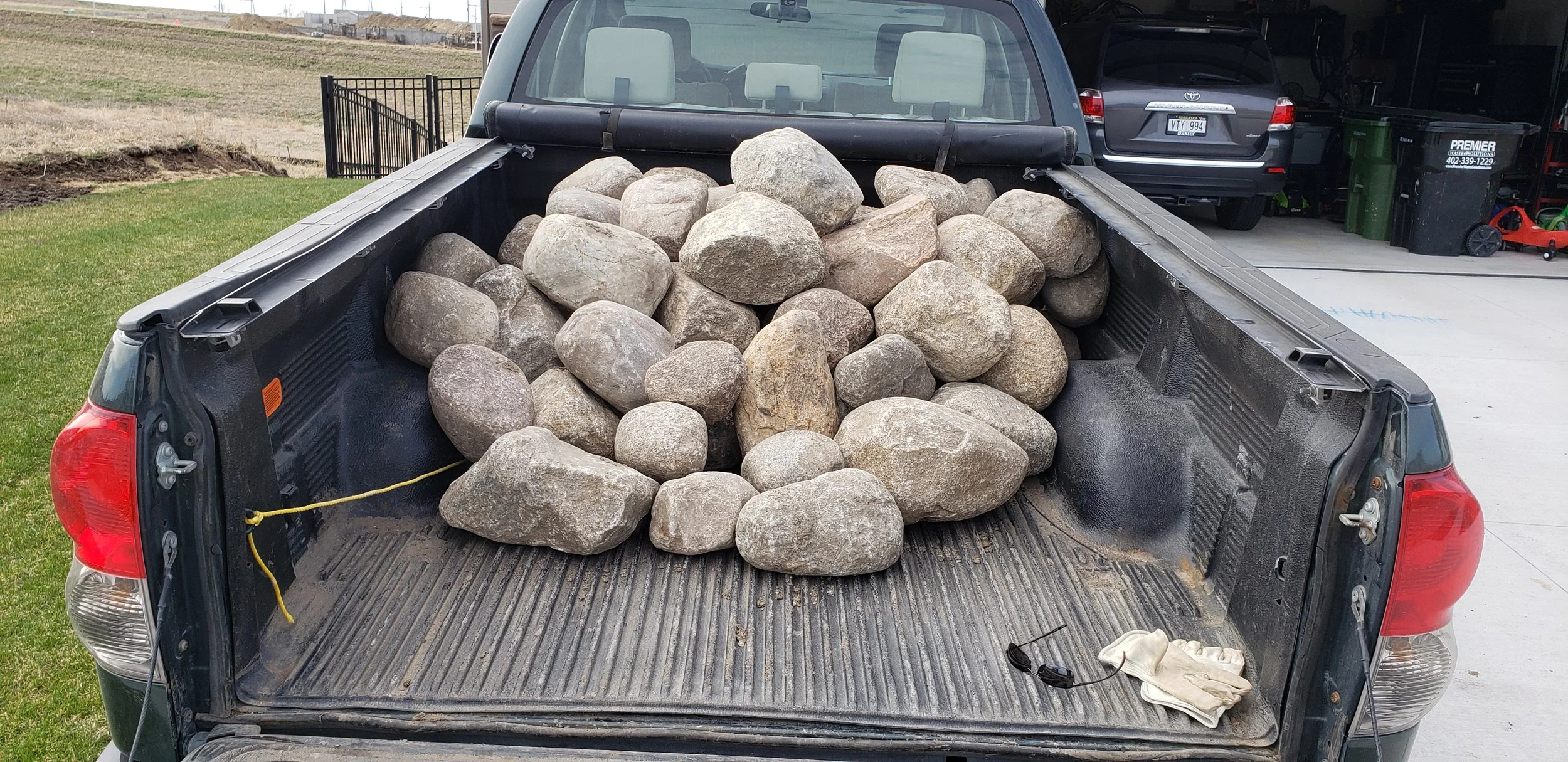
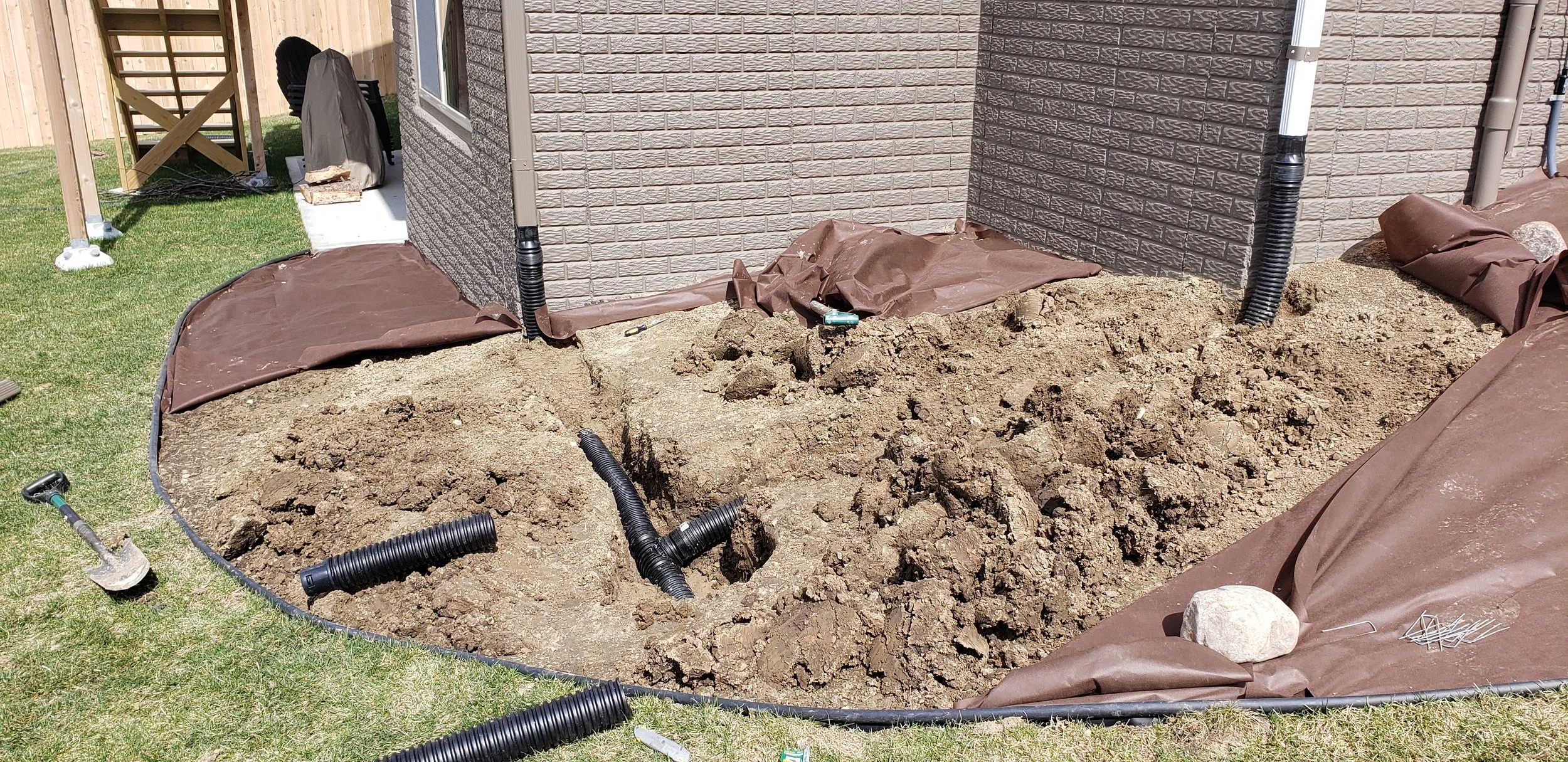
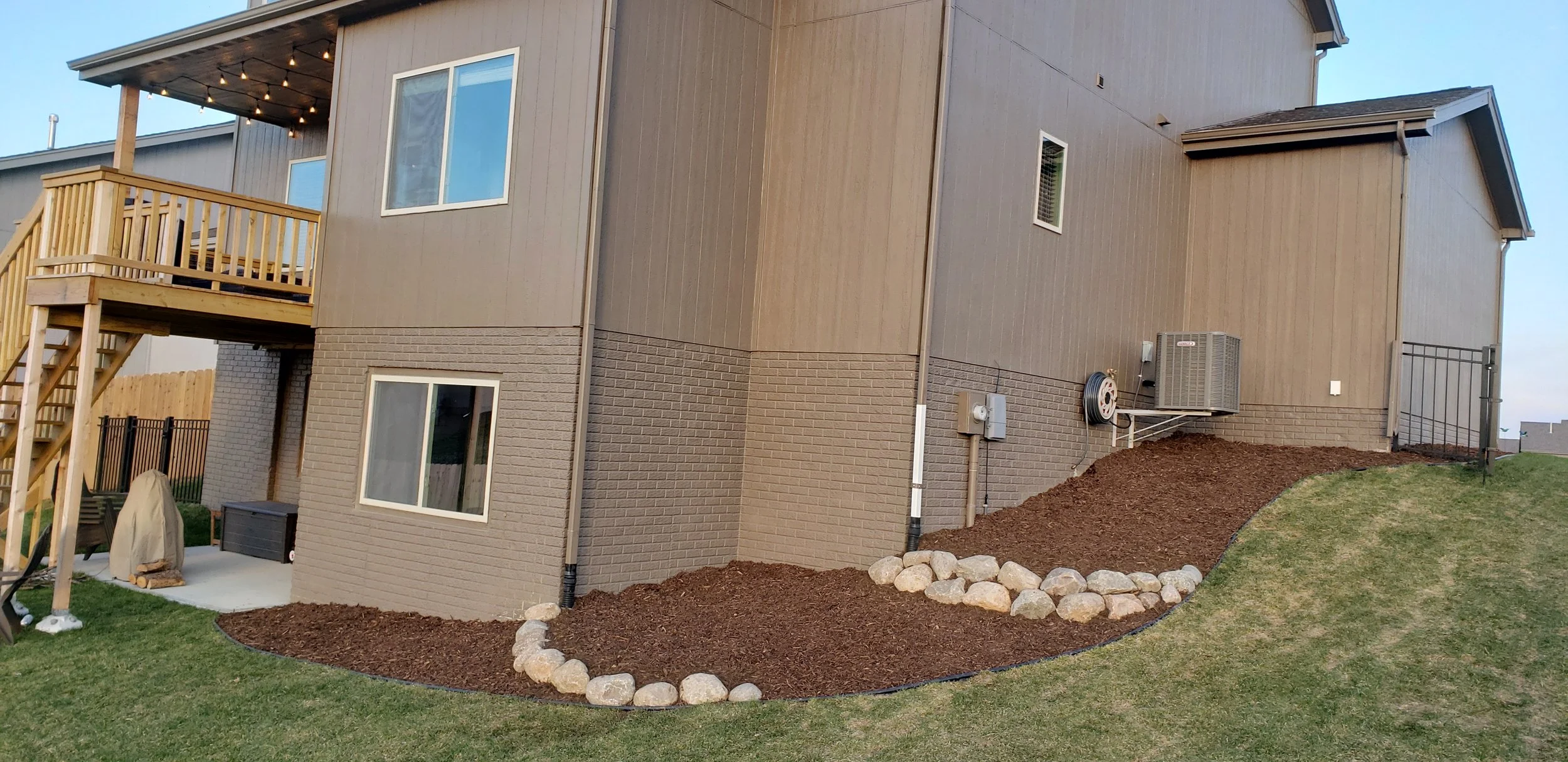
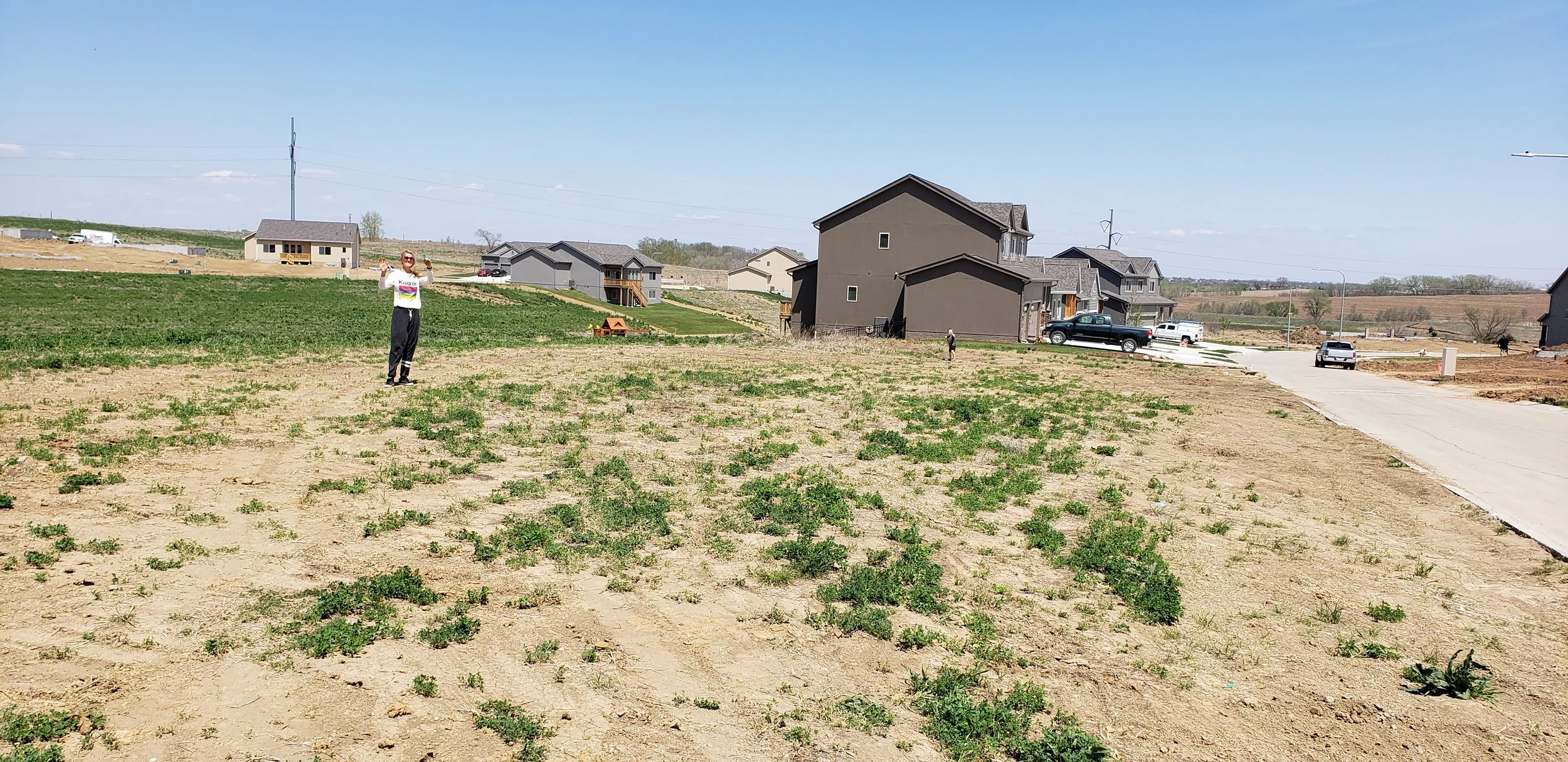
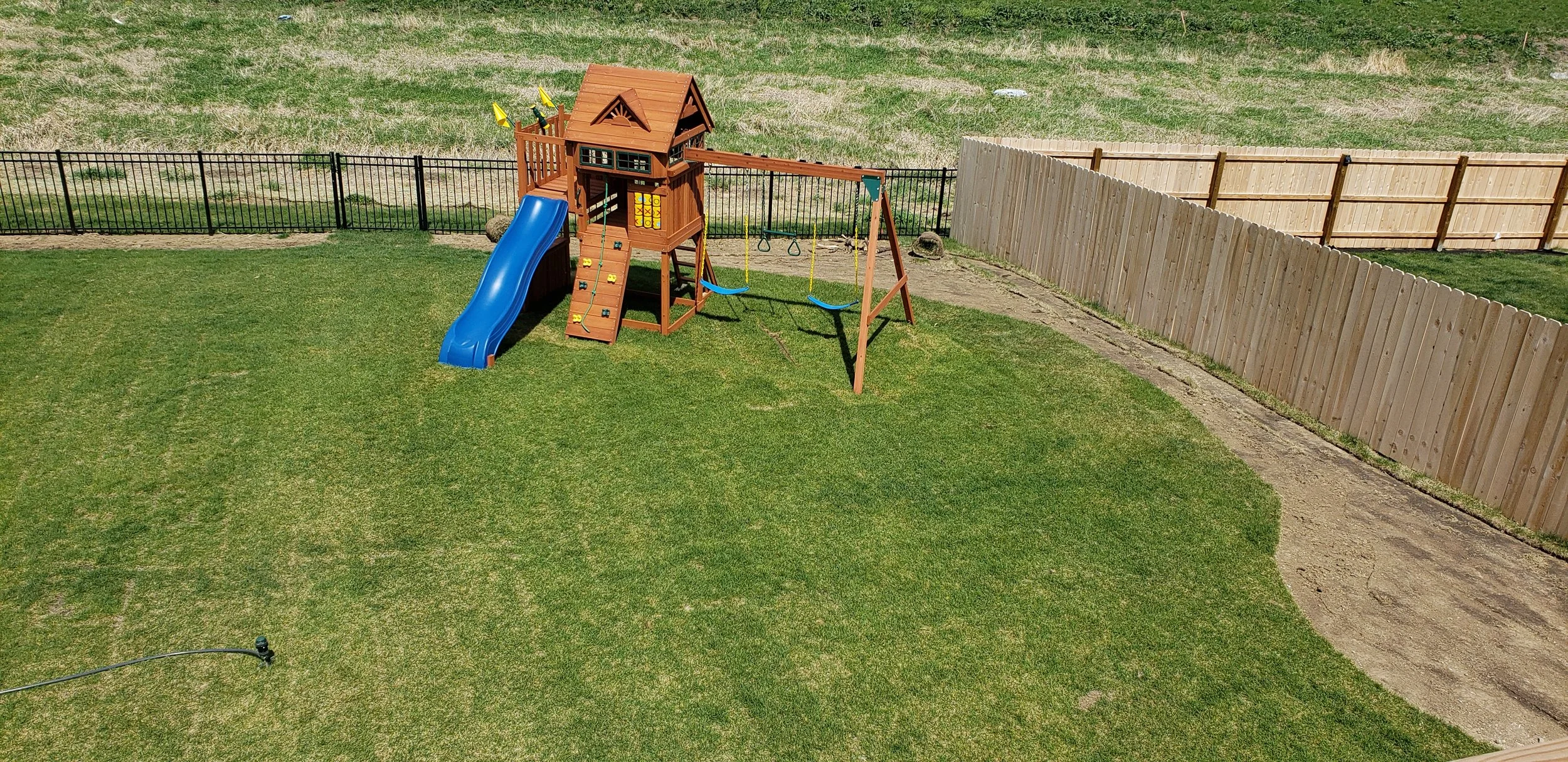
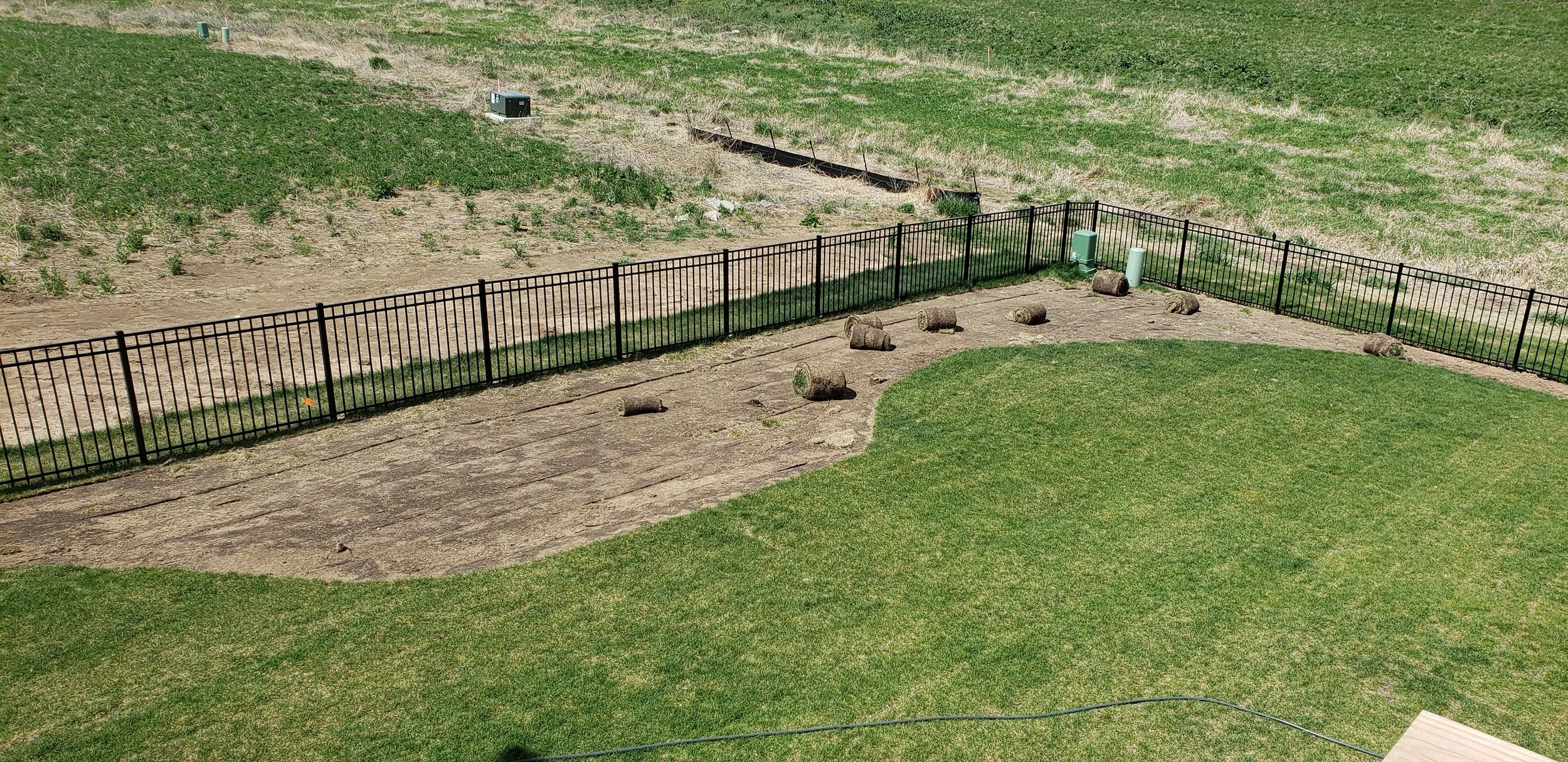
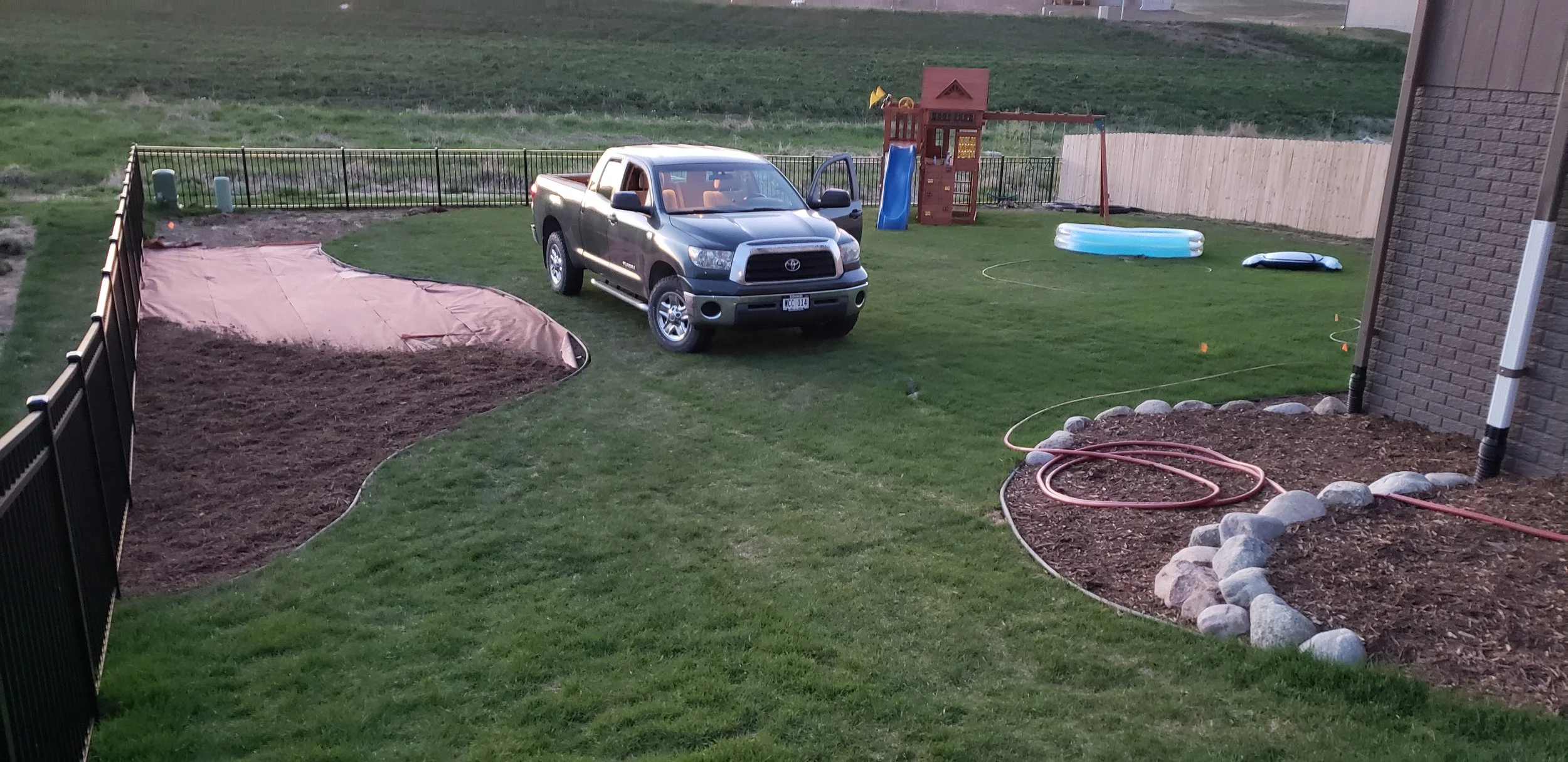
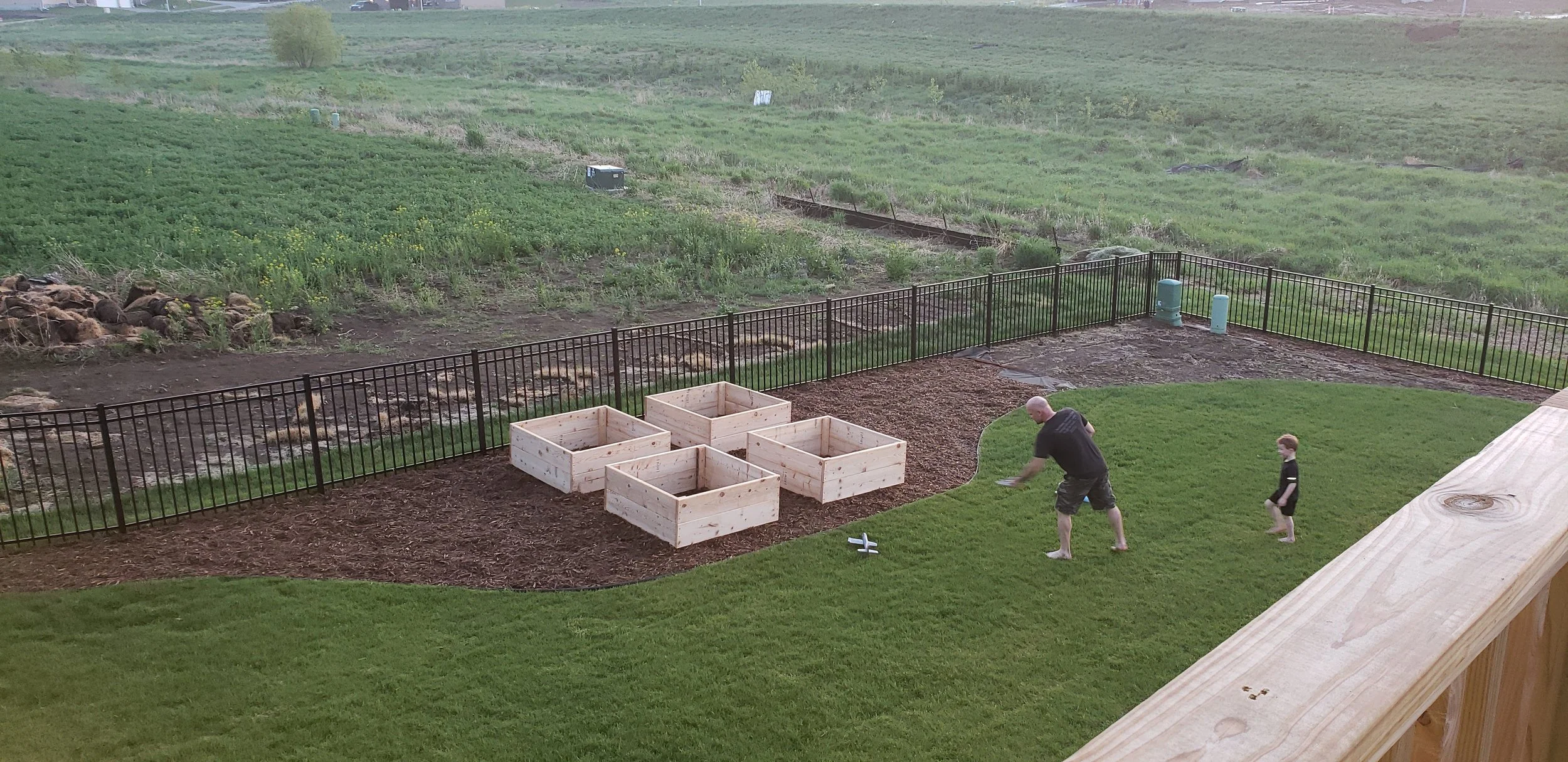
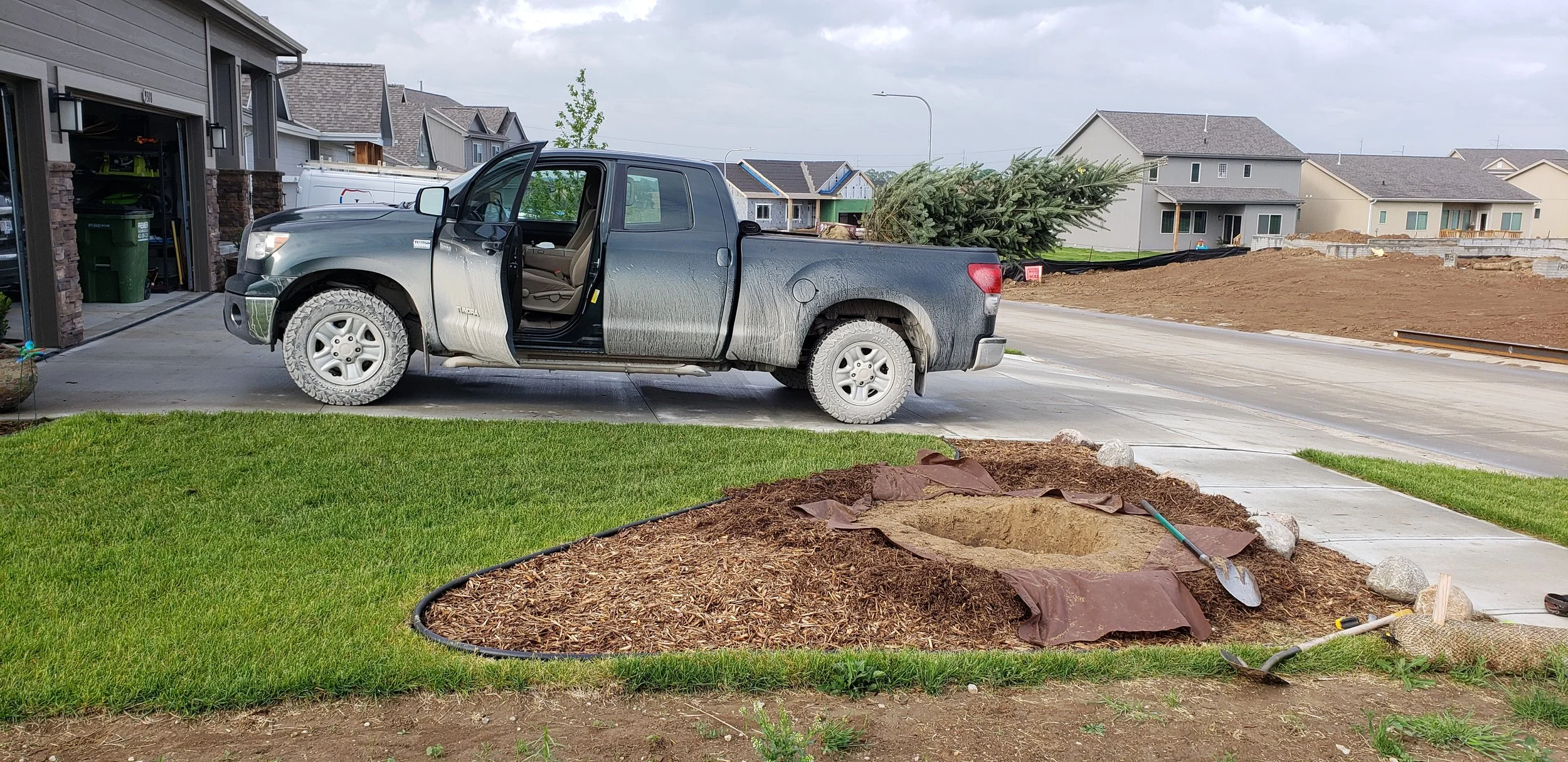
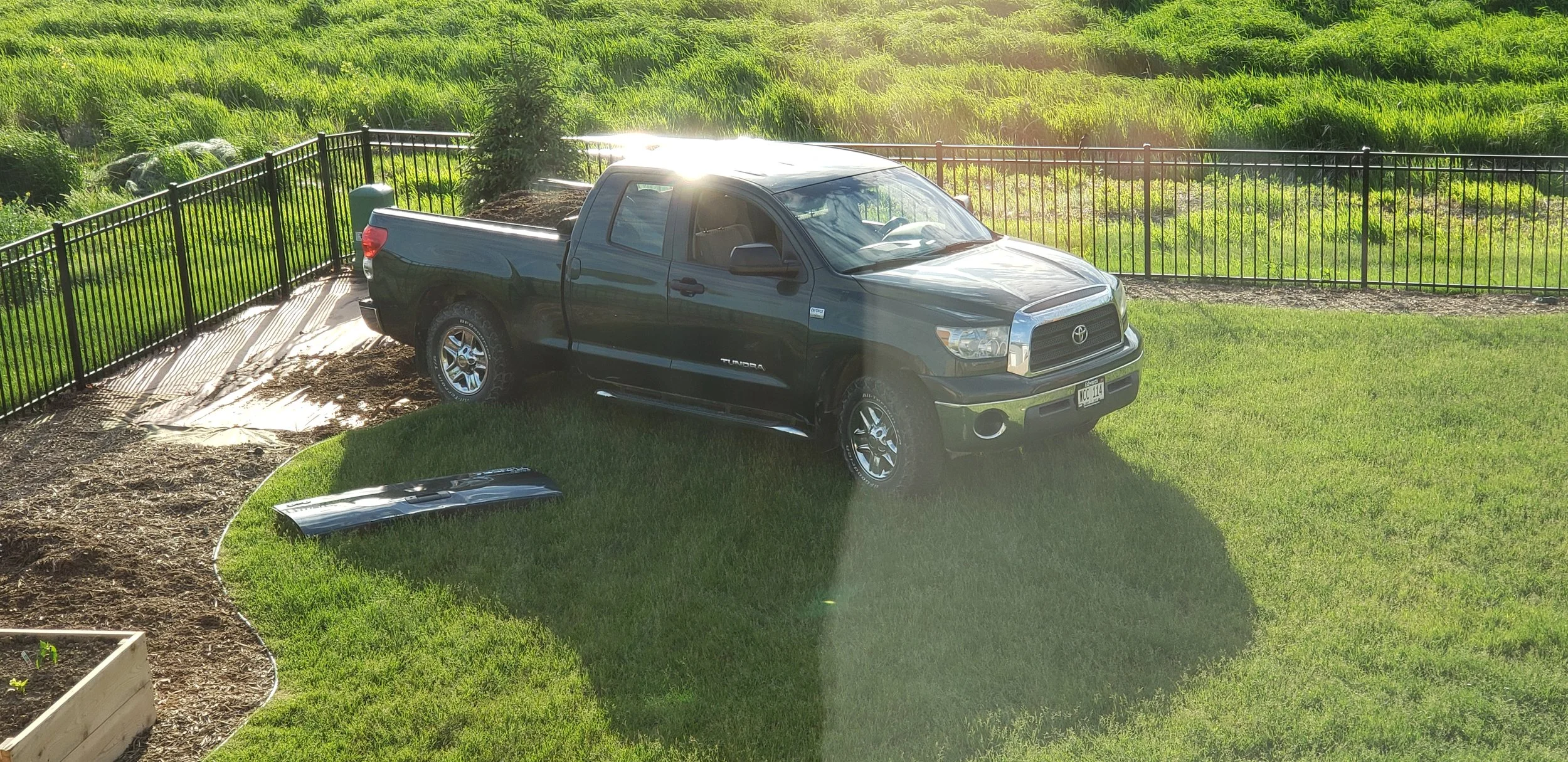
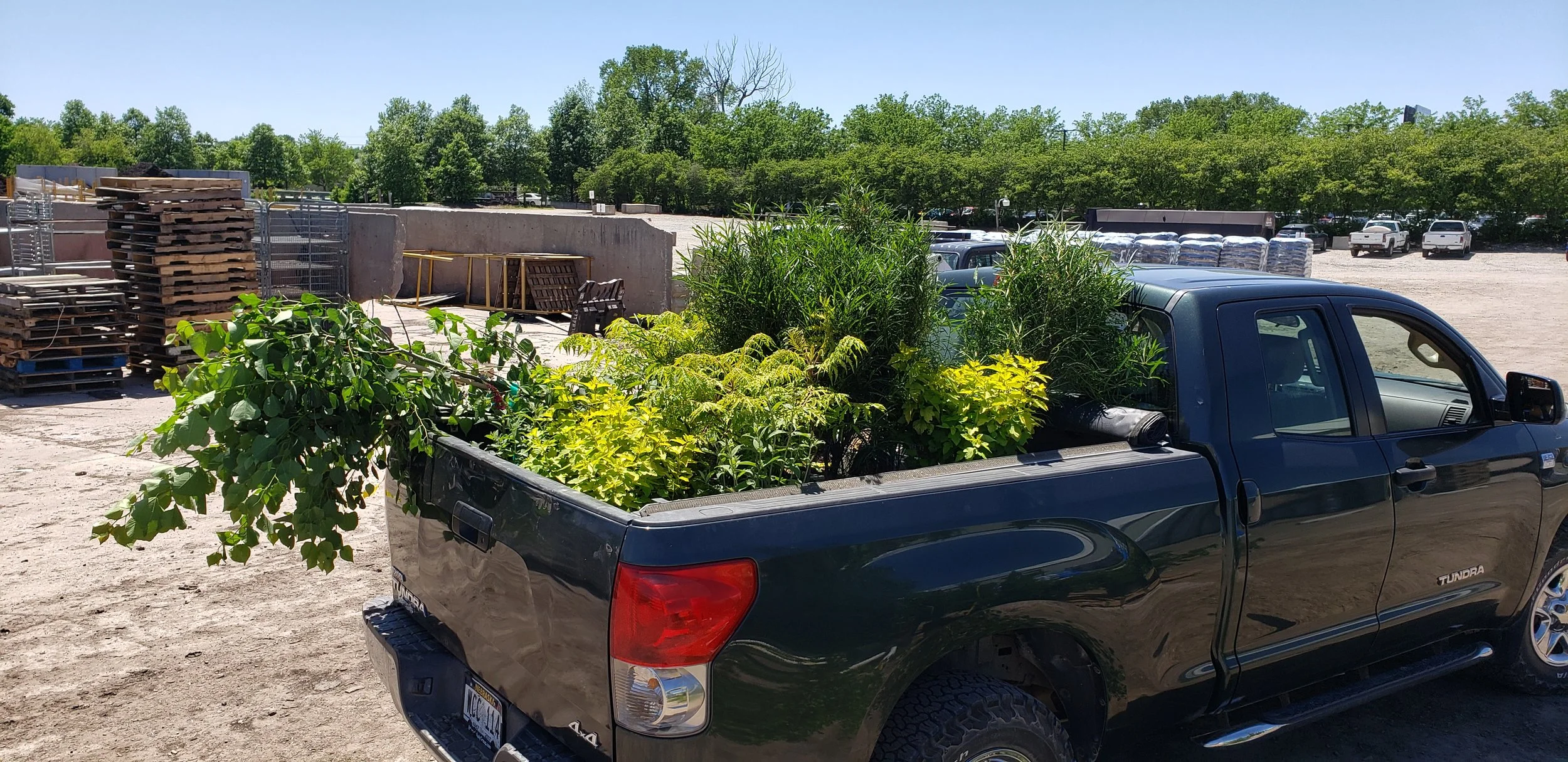
Most of the planting occurred over the first two years. Improvements and additions were added each year.
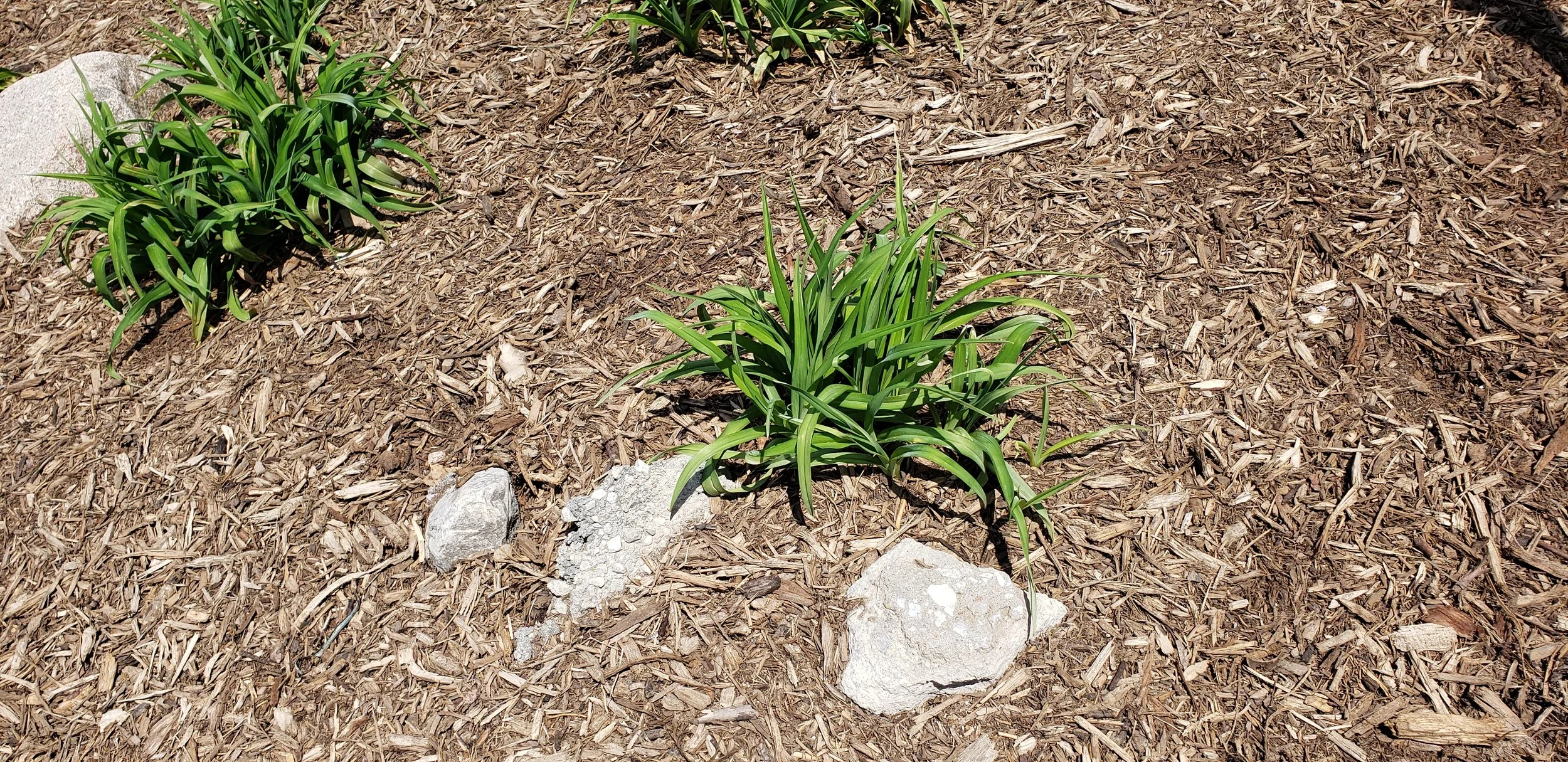
Something I want to point out about the pictures above was the underlayment. The owner felt he didn’t have the right goals in mind when he added underlayment. H soon realized it was blocking all the nutrients from decomposing mulch to reach the hard clay soil. The earth worms and fungi needed to access it and put it to use. Over the years, he has torn out most of the underlayment to correct this. He found a few locations that still had it 6 years later. It was amazing what it looked like above and below that underlayment. There was a mass of organic material completely blocked off from the light brown clay soil that needed it.
Do yourself a favor. Save a lot of money and time, and skip the underlayment. You may have a few things grow in, but you’ll achieve soil health much faster. As all your shrubs and ground over plants grow in, they’ll start to shade the area and be a natural weed block. If you let some areas grow naturally, it will start to naturally mulch itself with falling leaves and bark pieces.
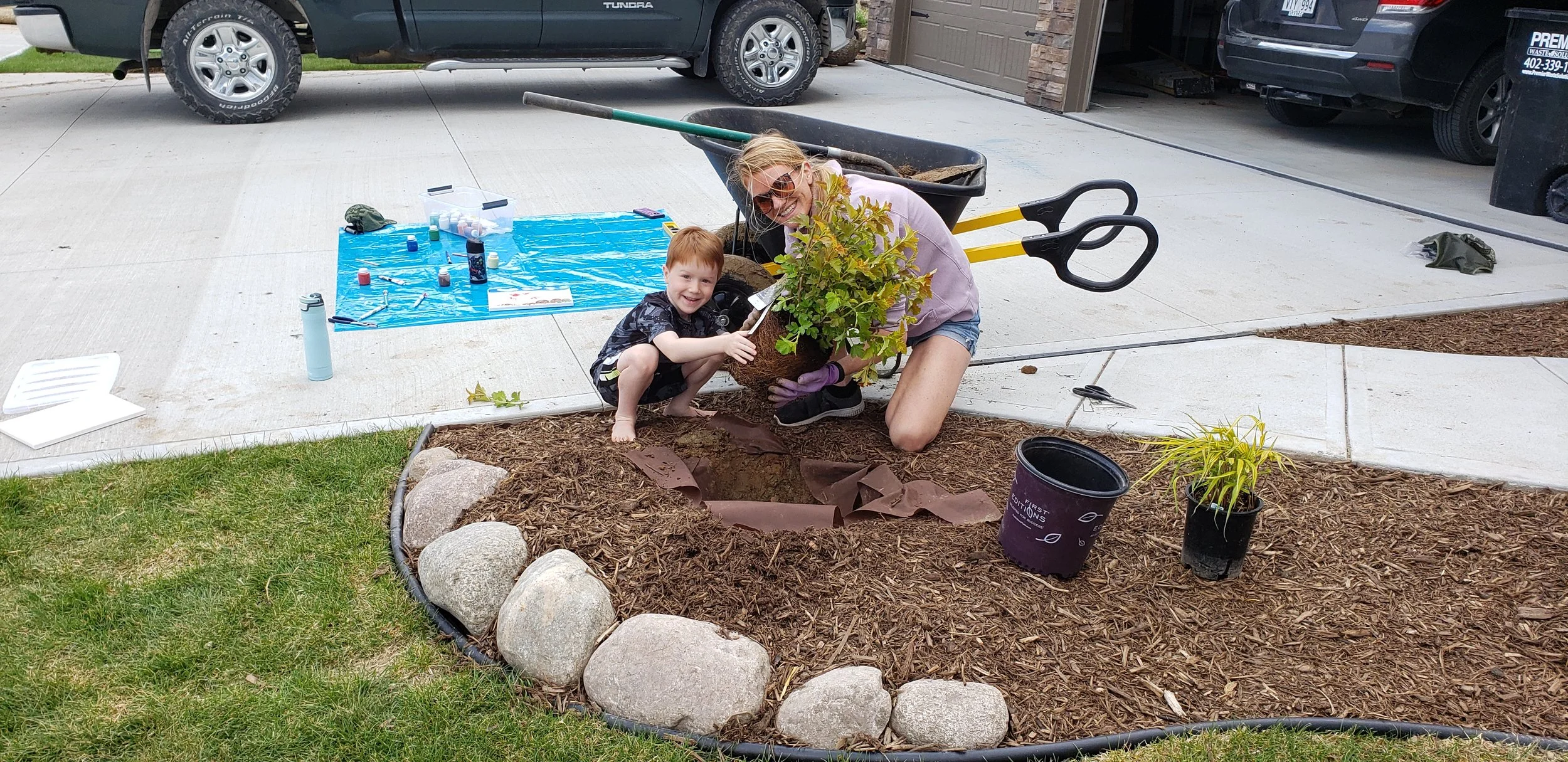
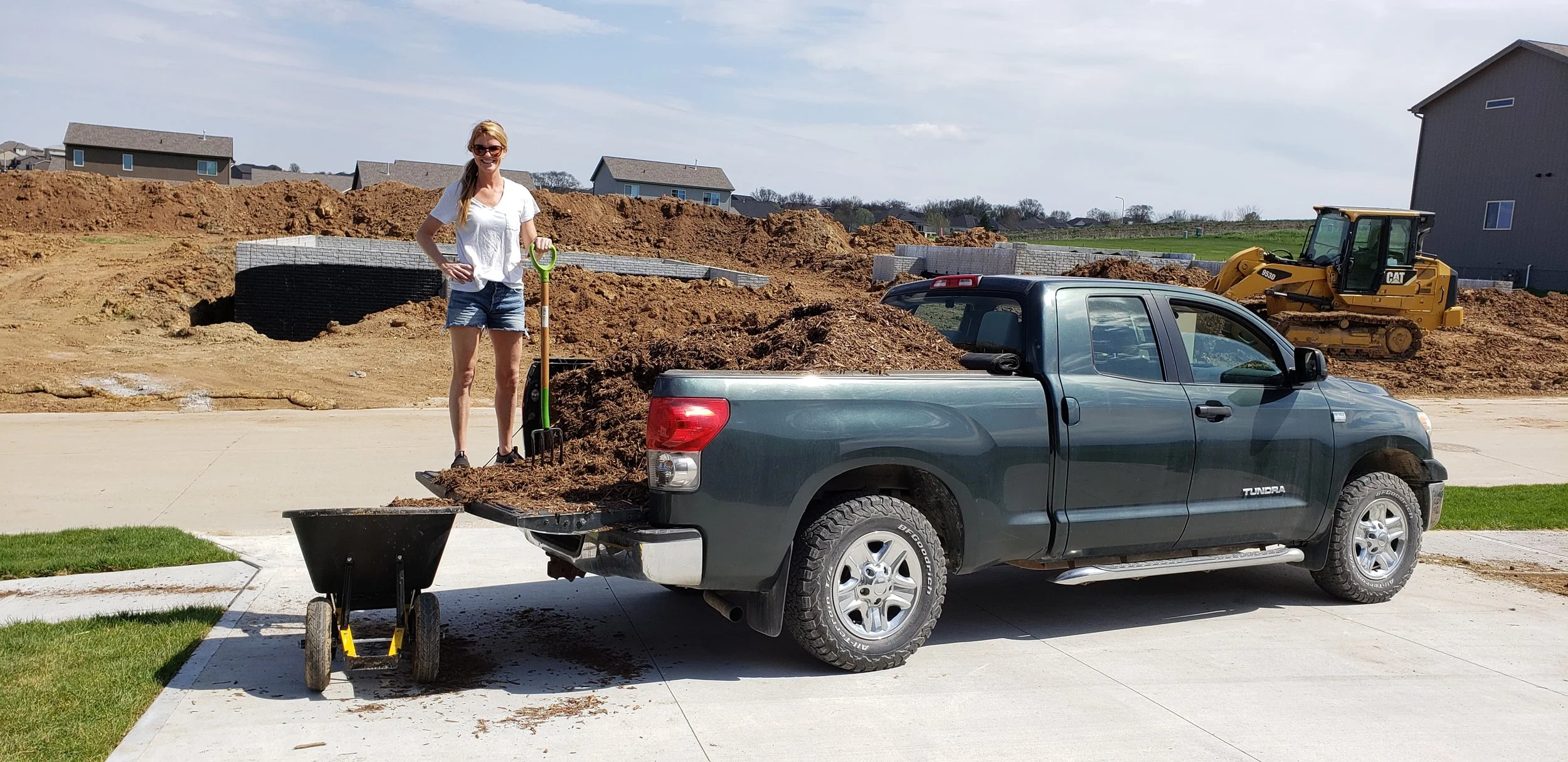
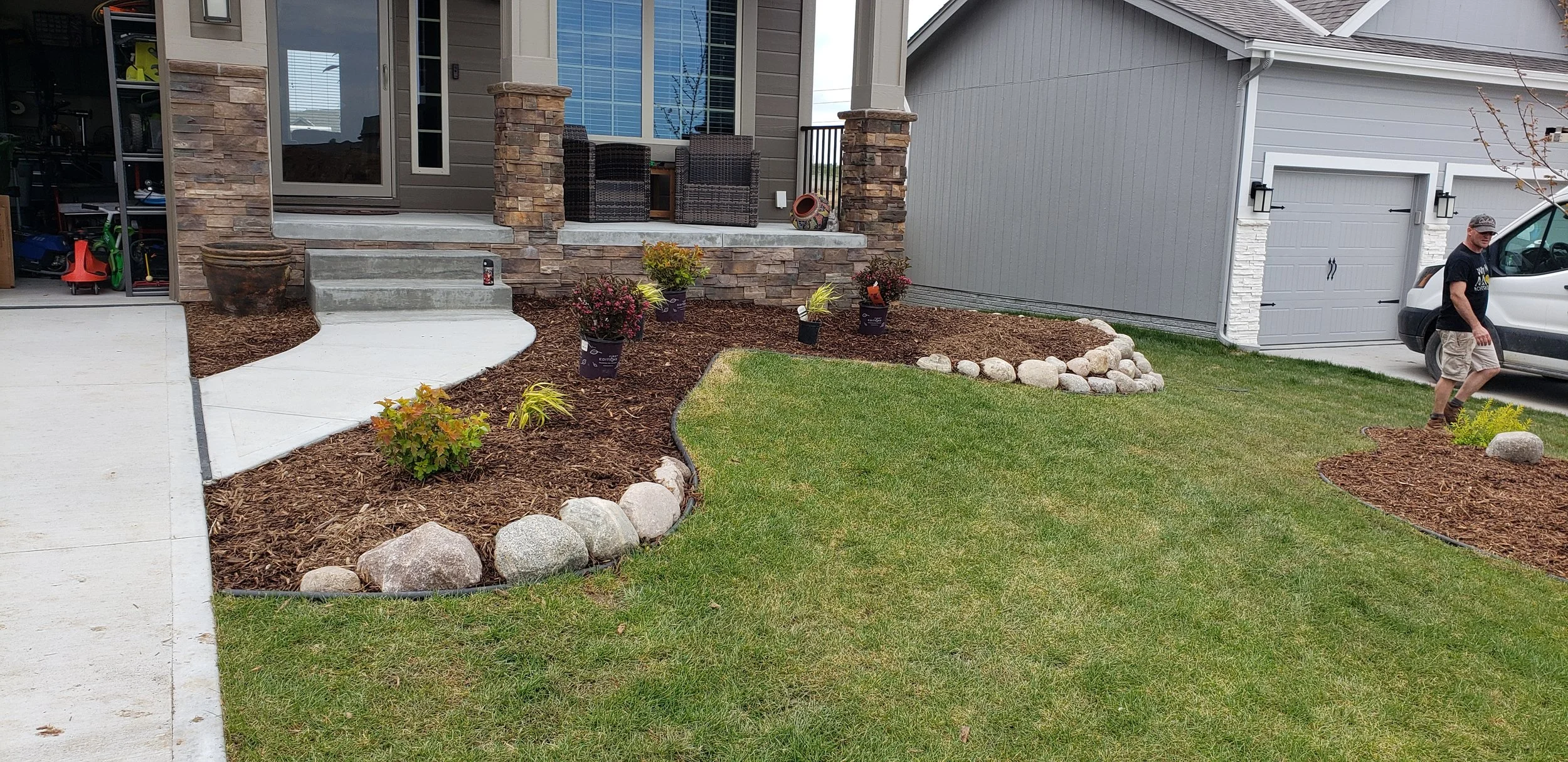
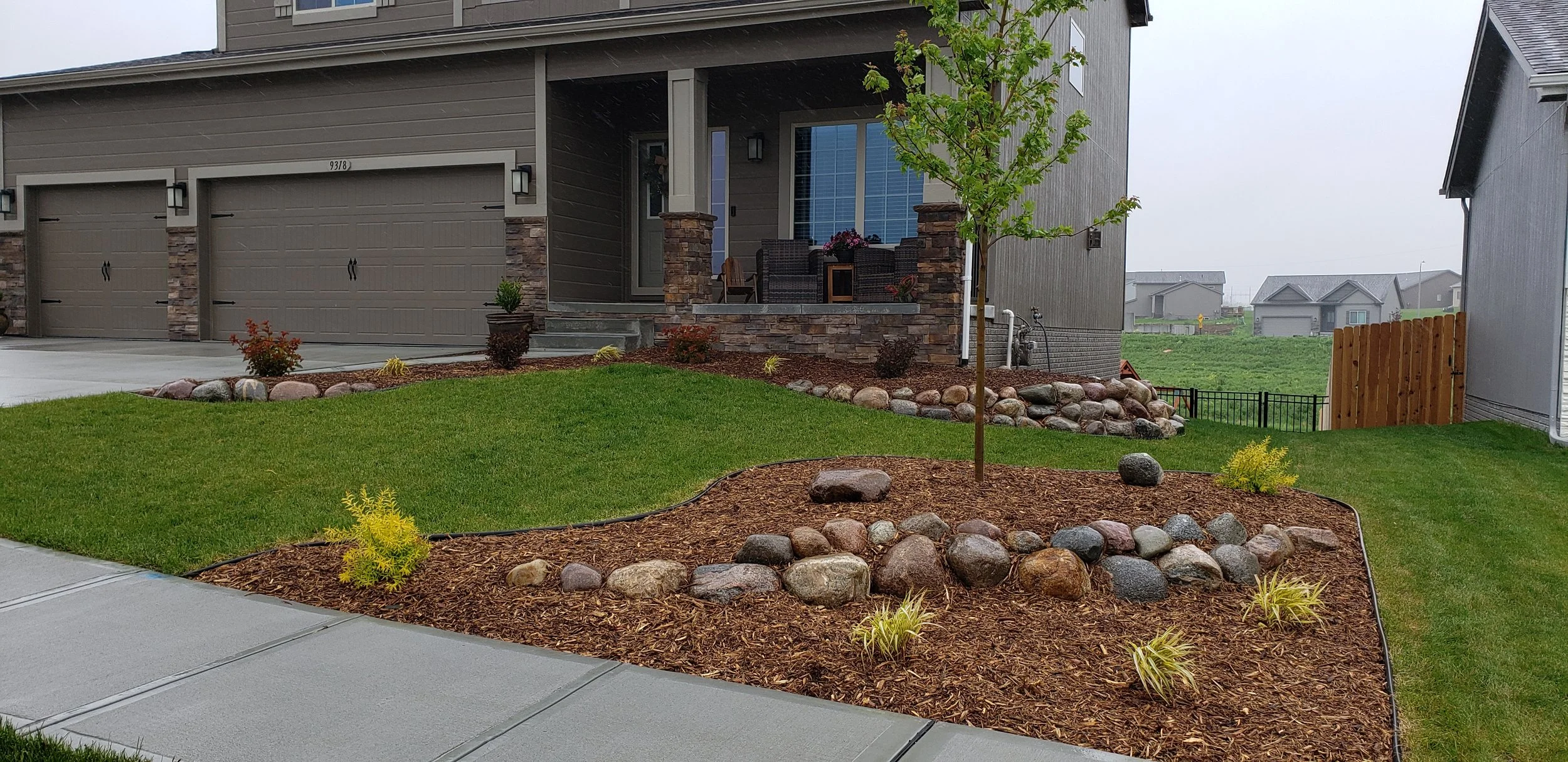
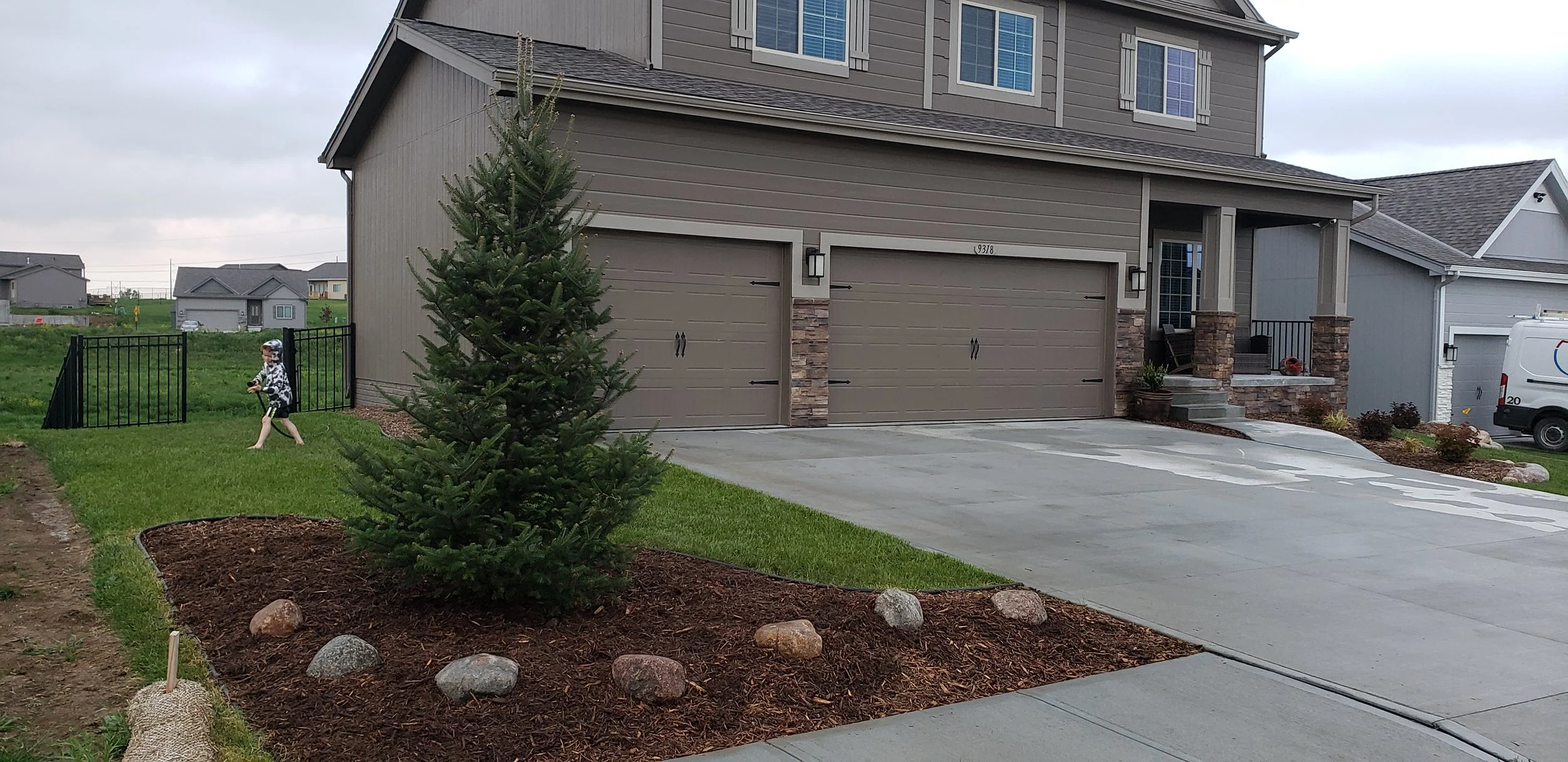
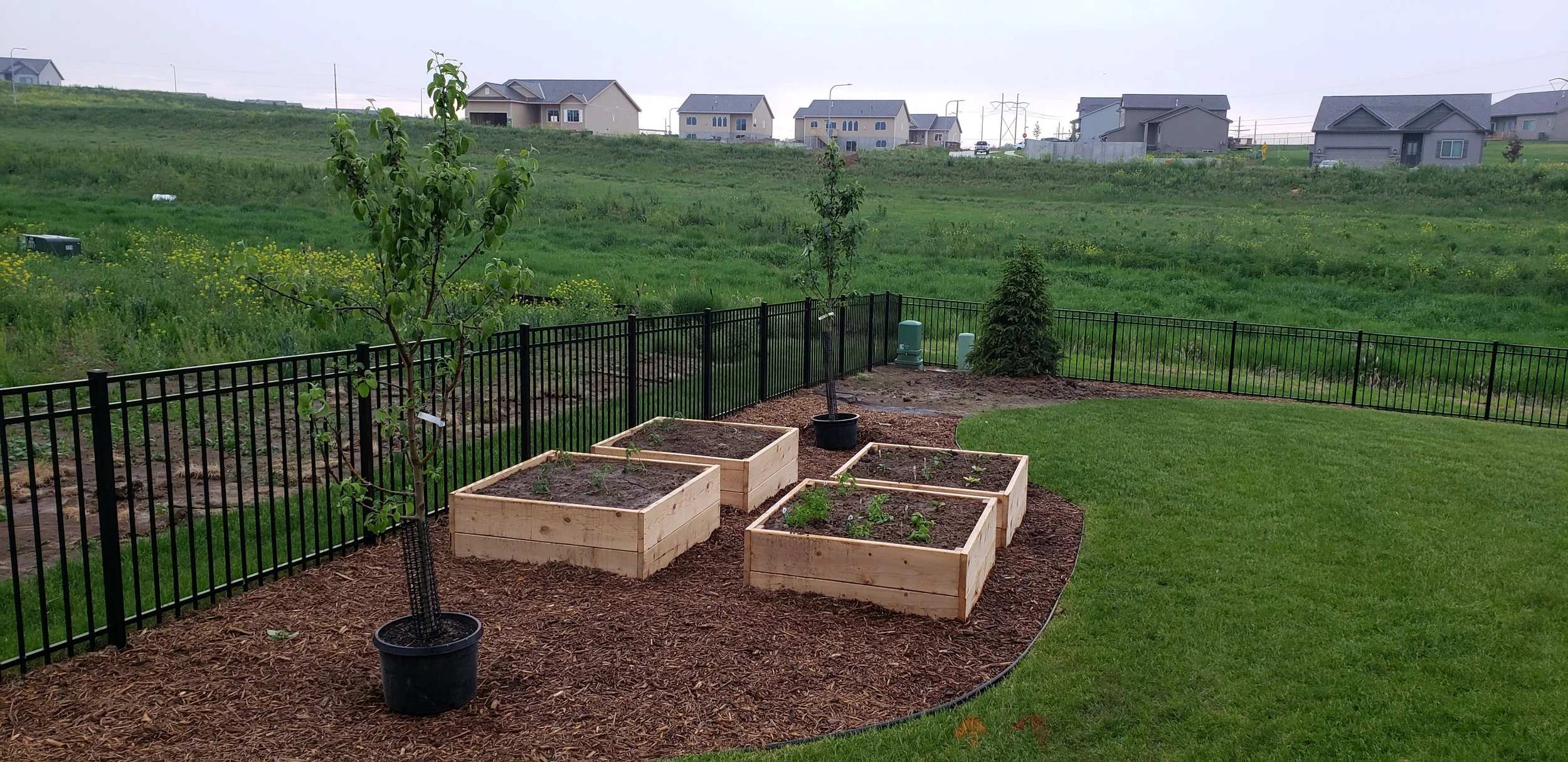
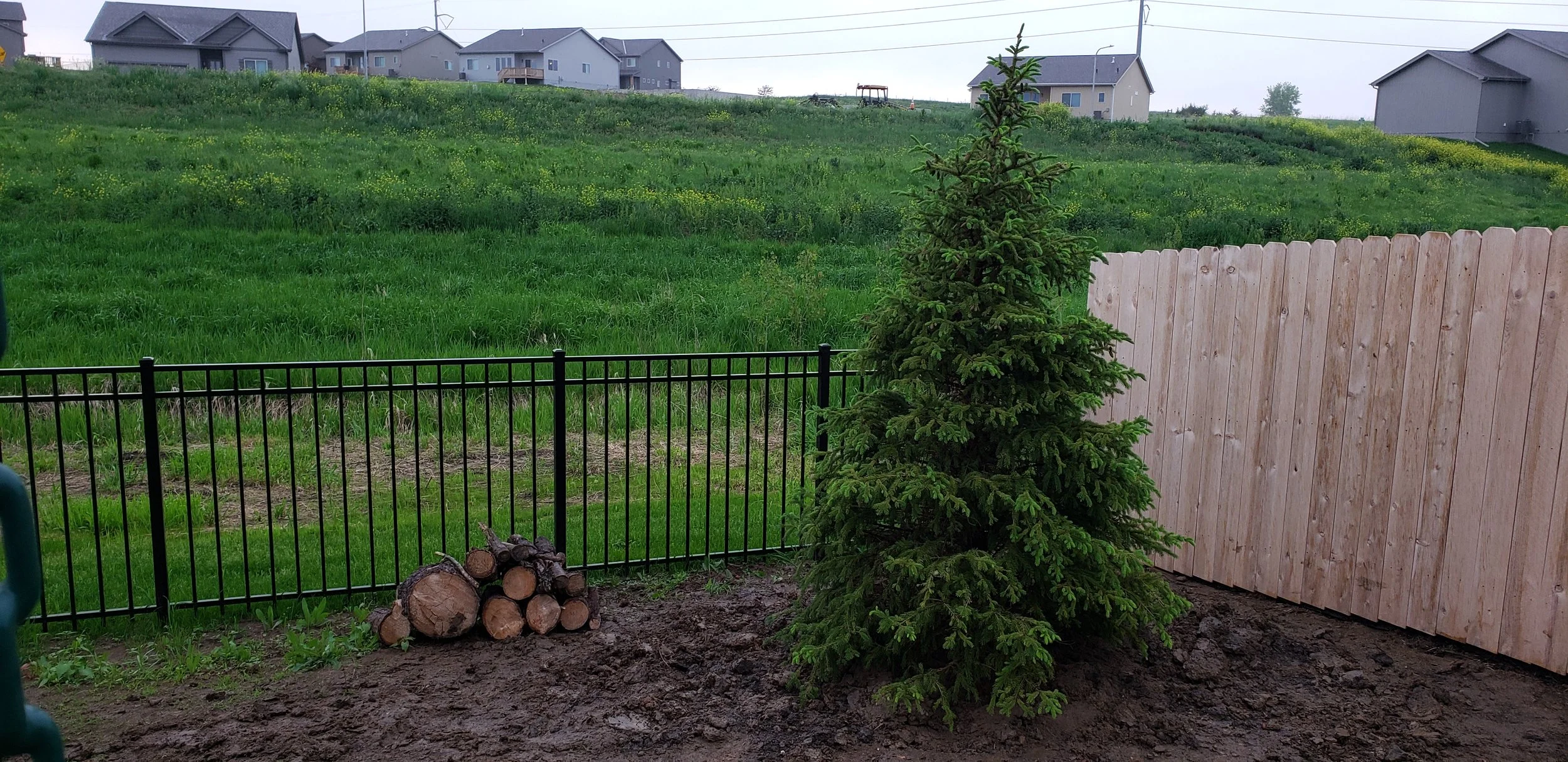
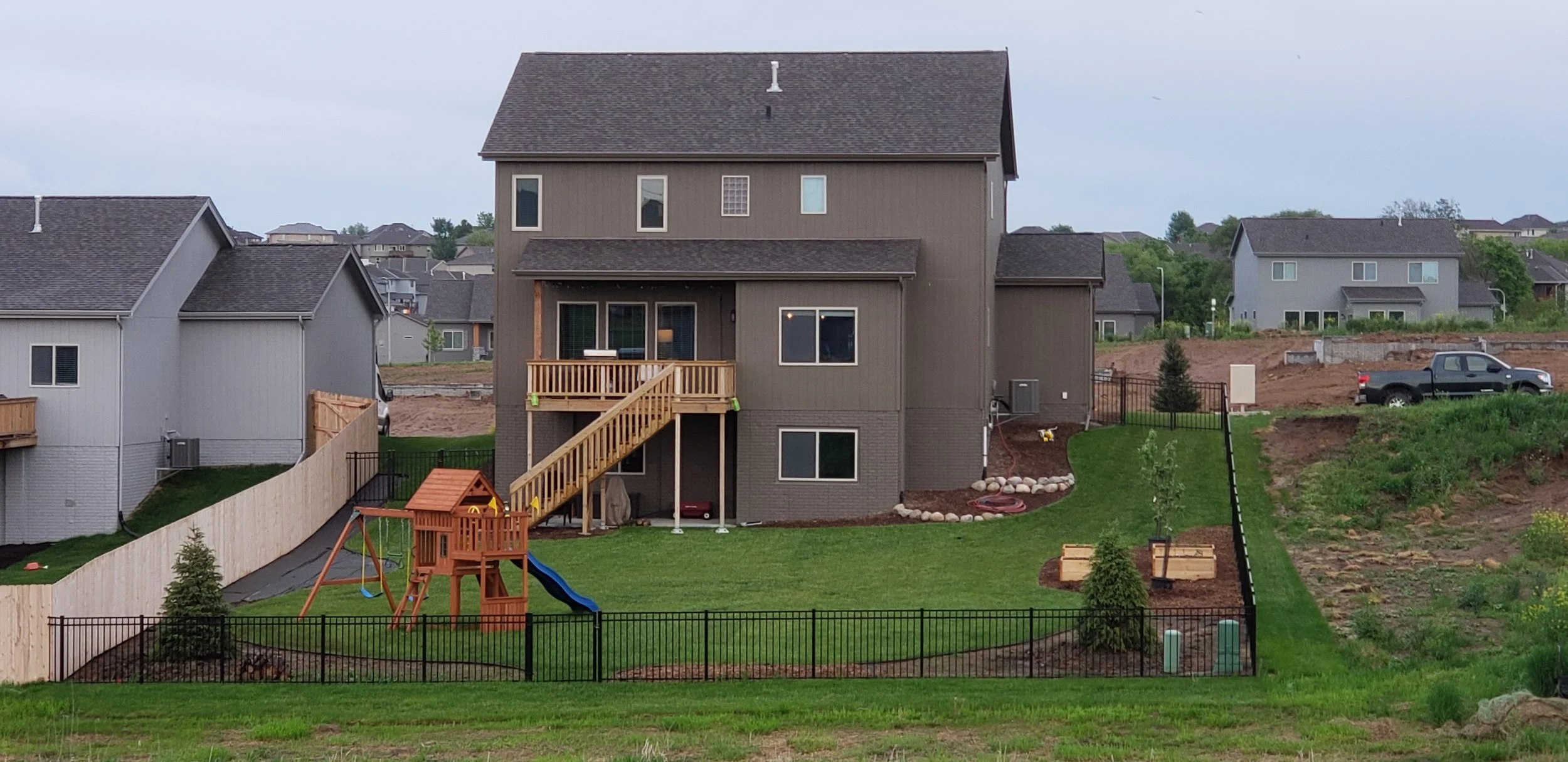
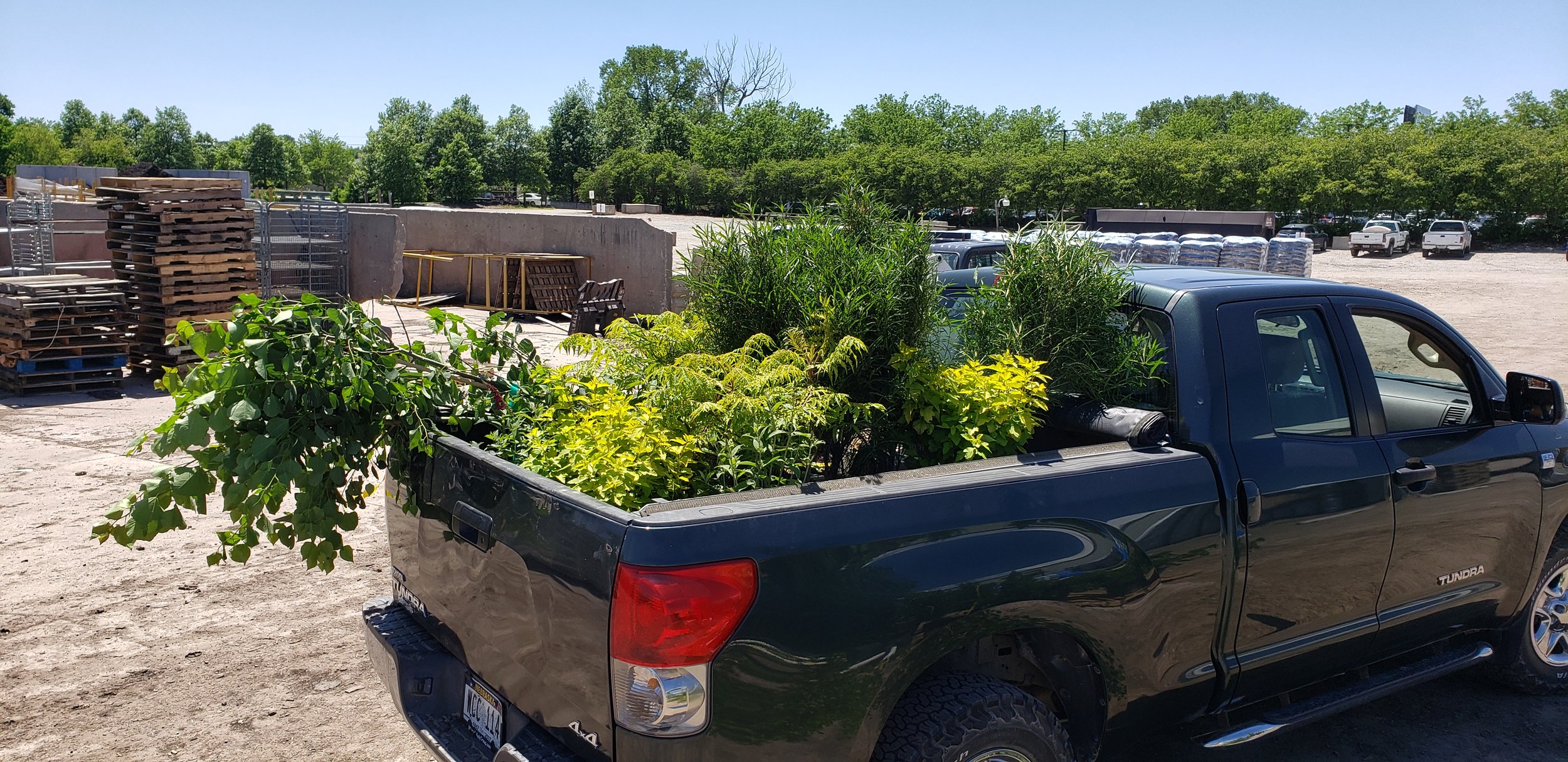
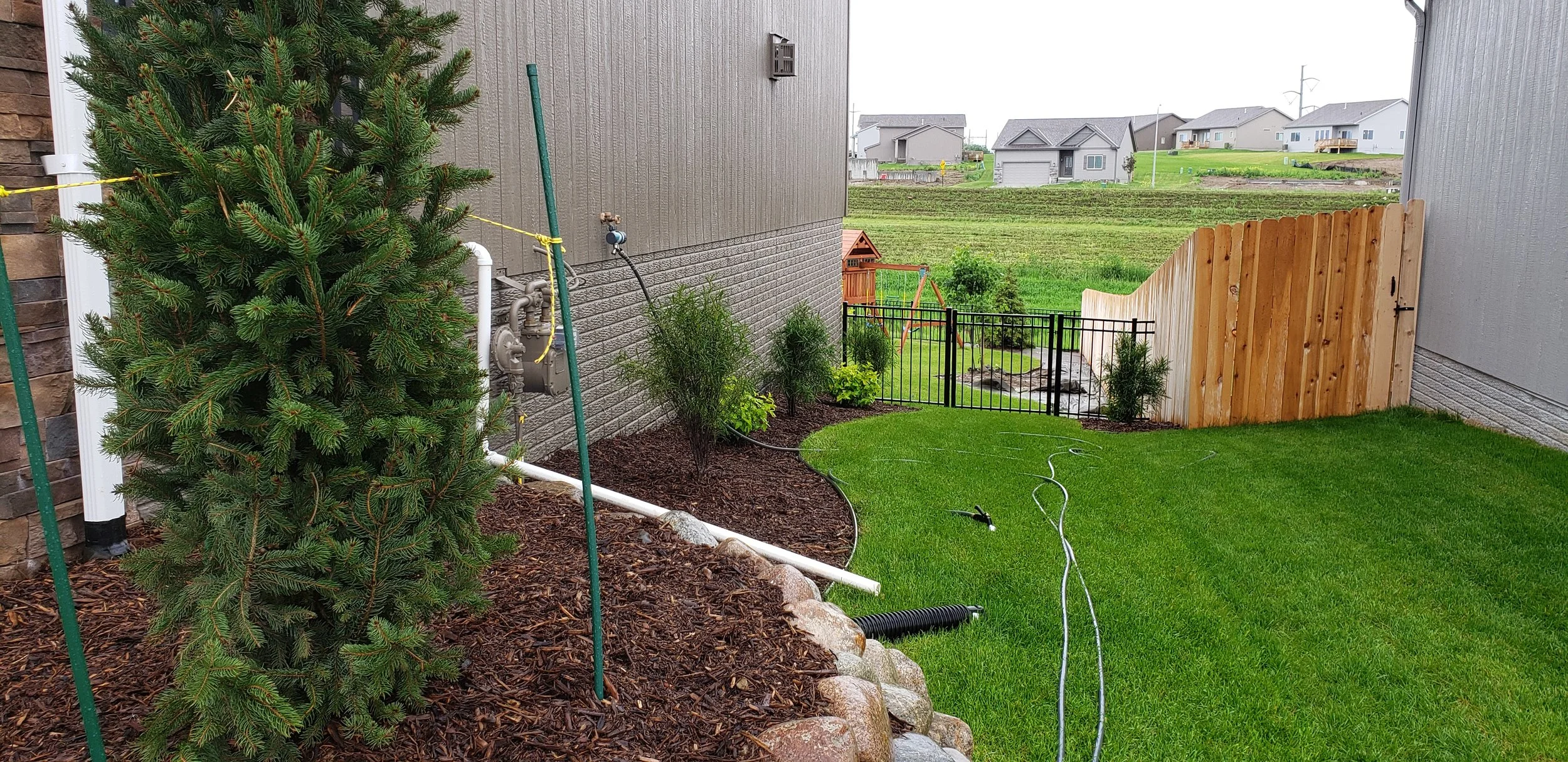
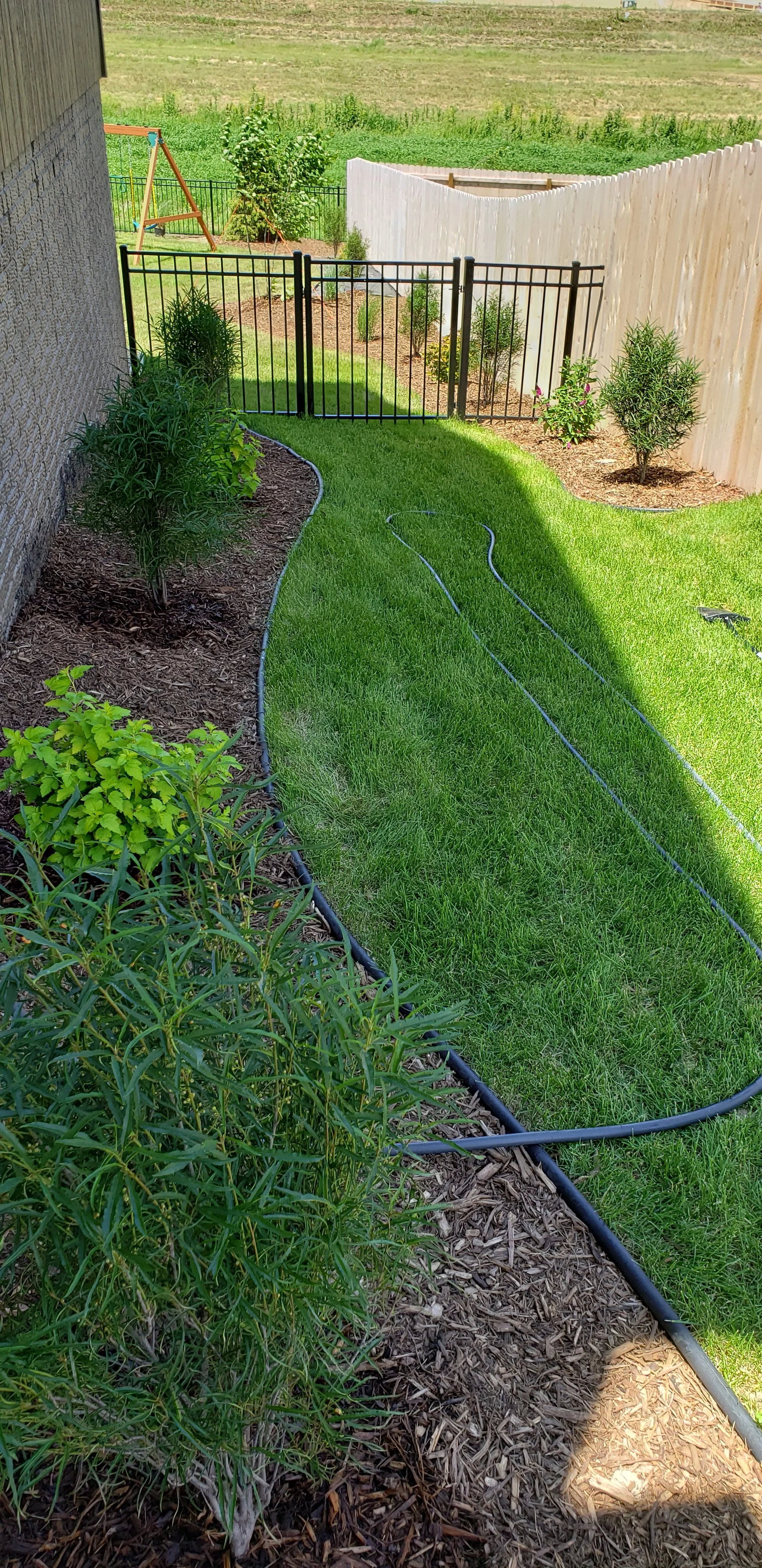
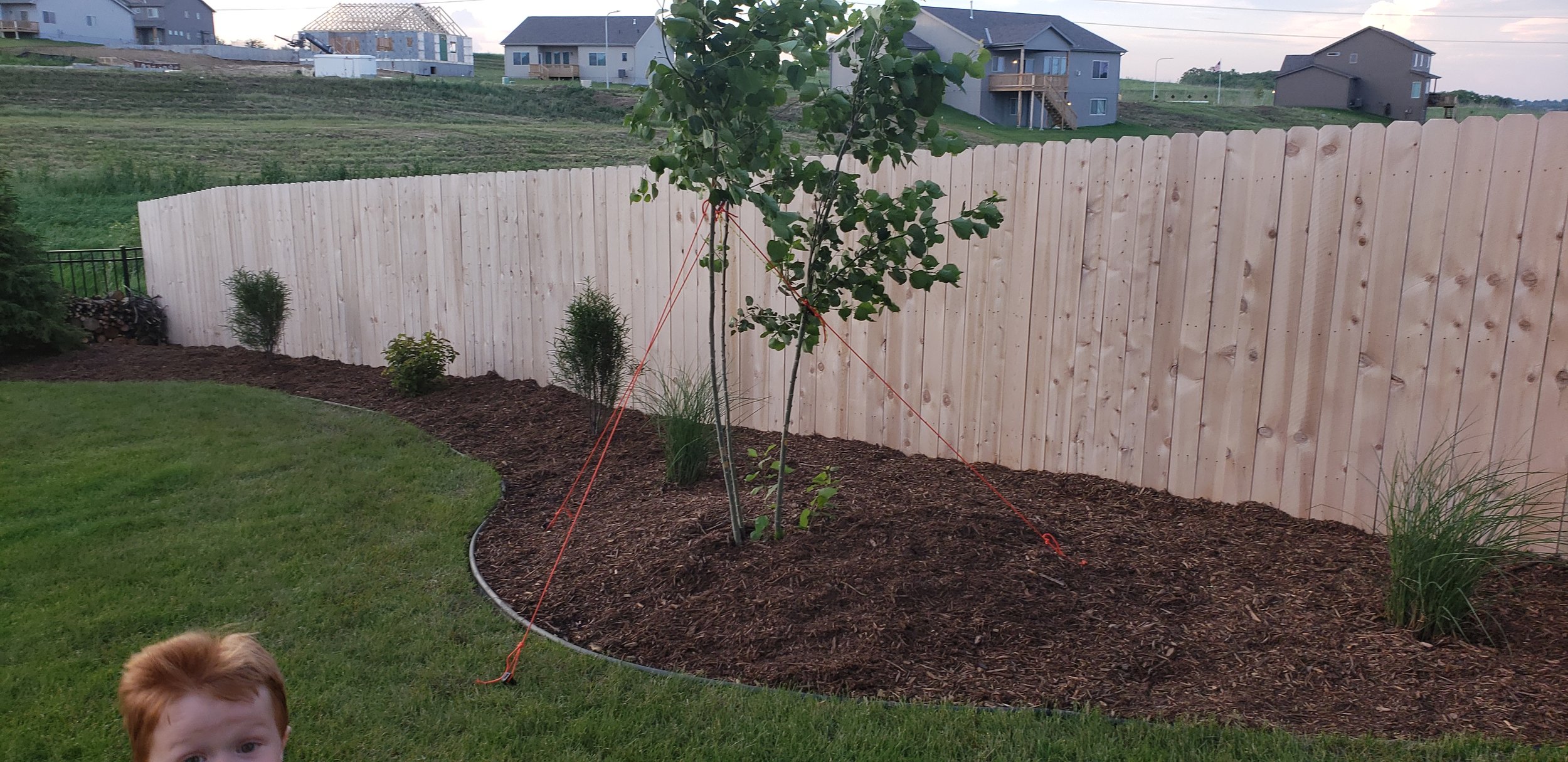
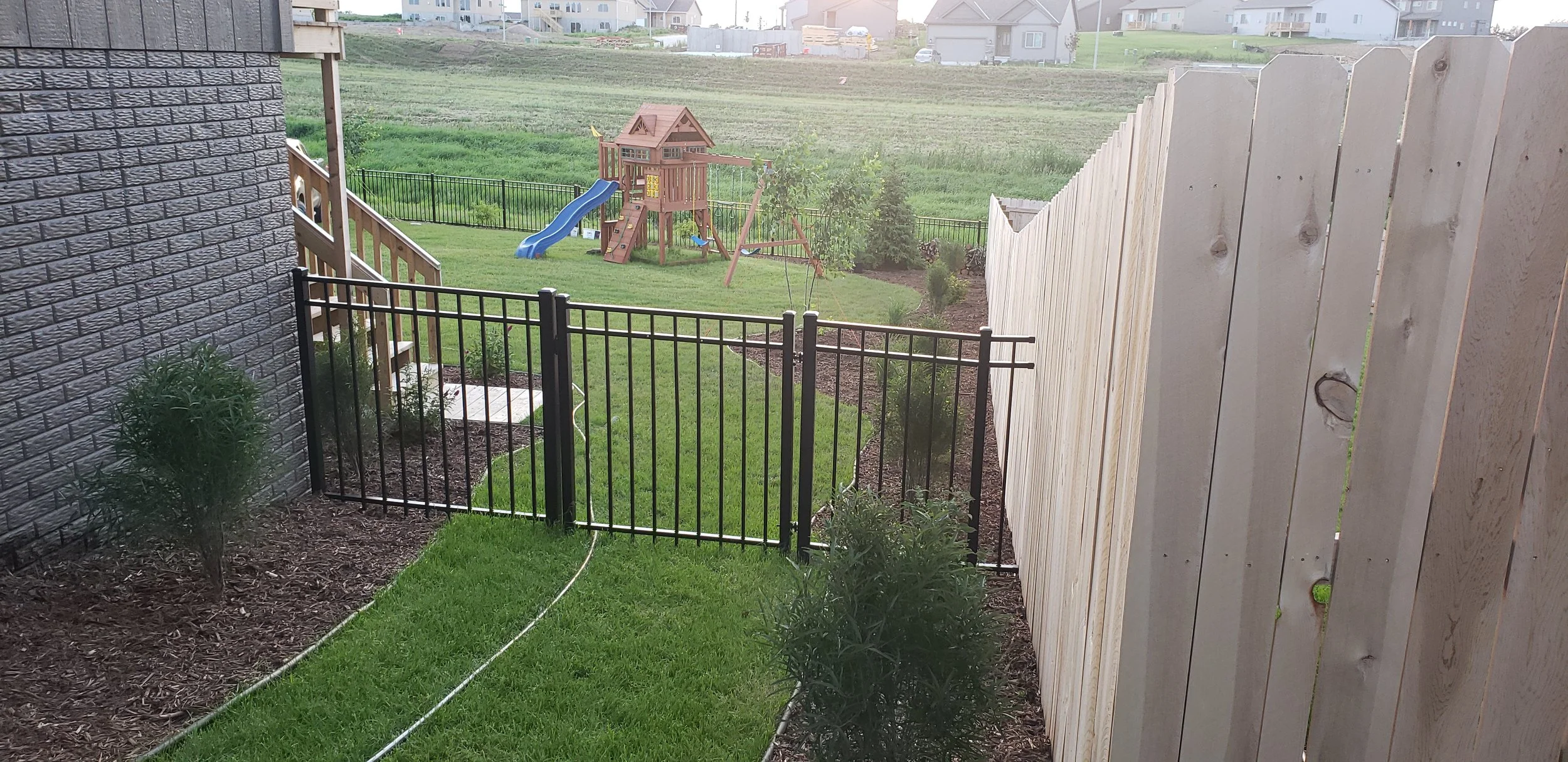
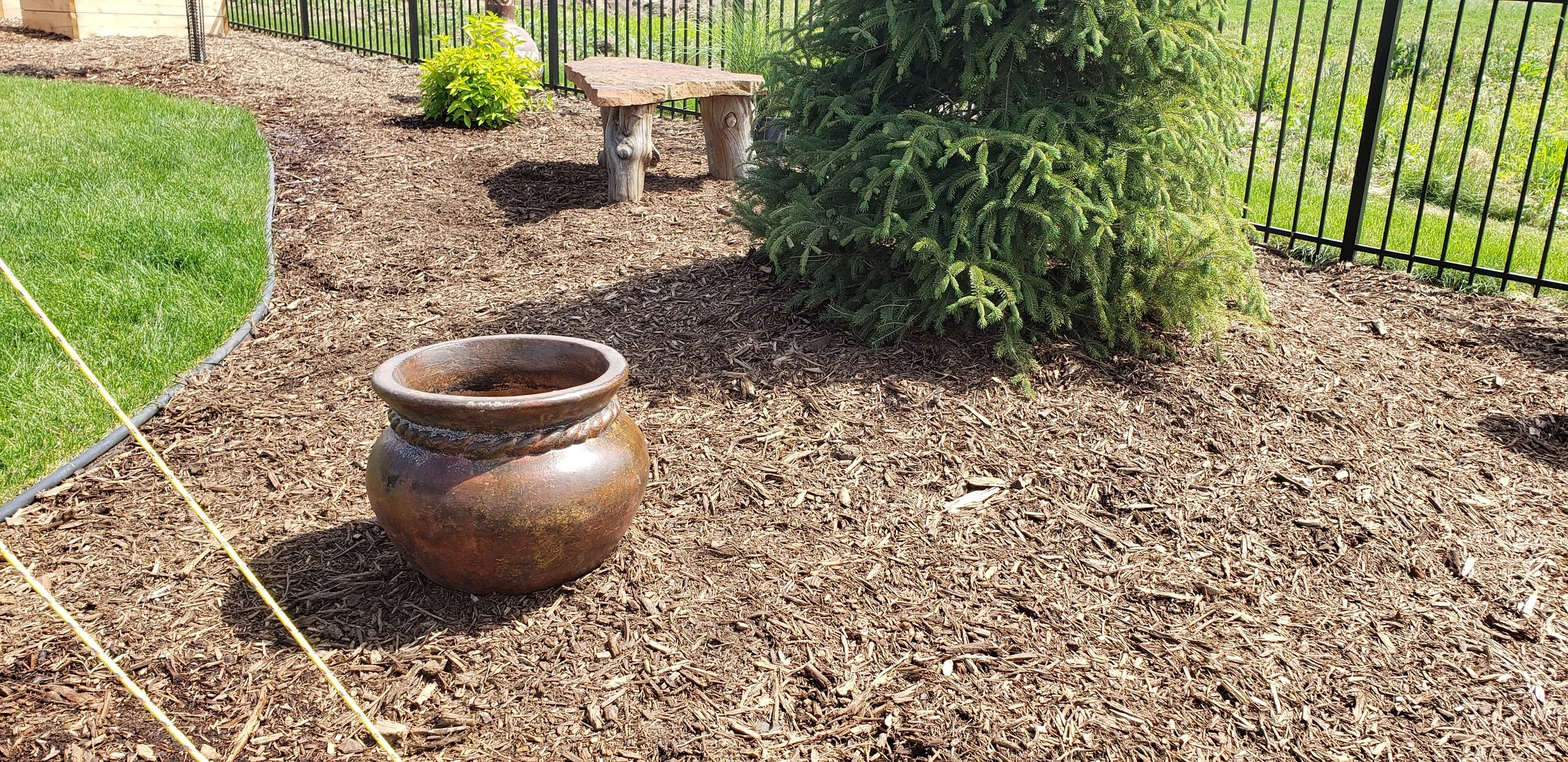
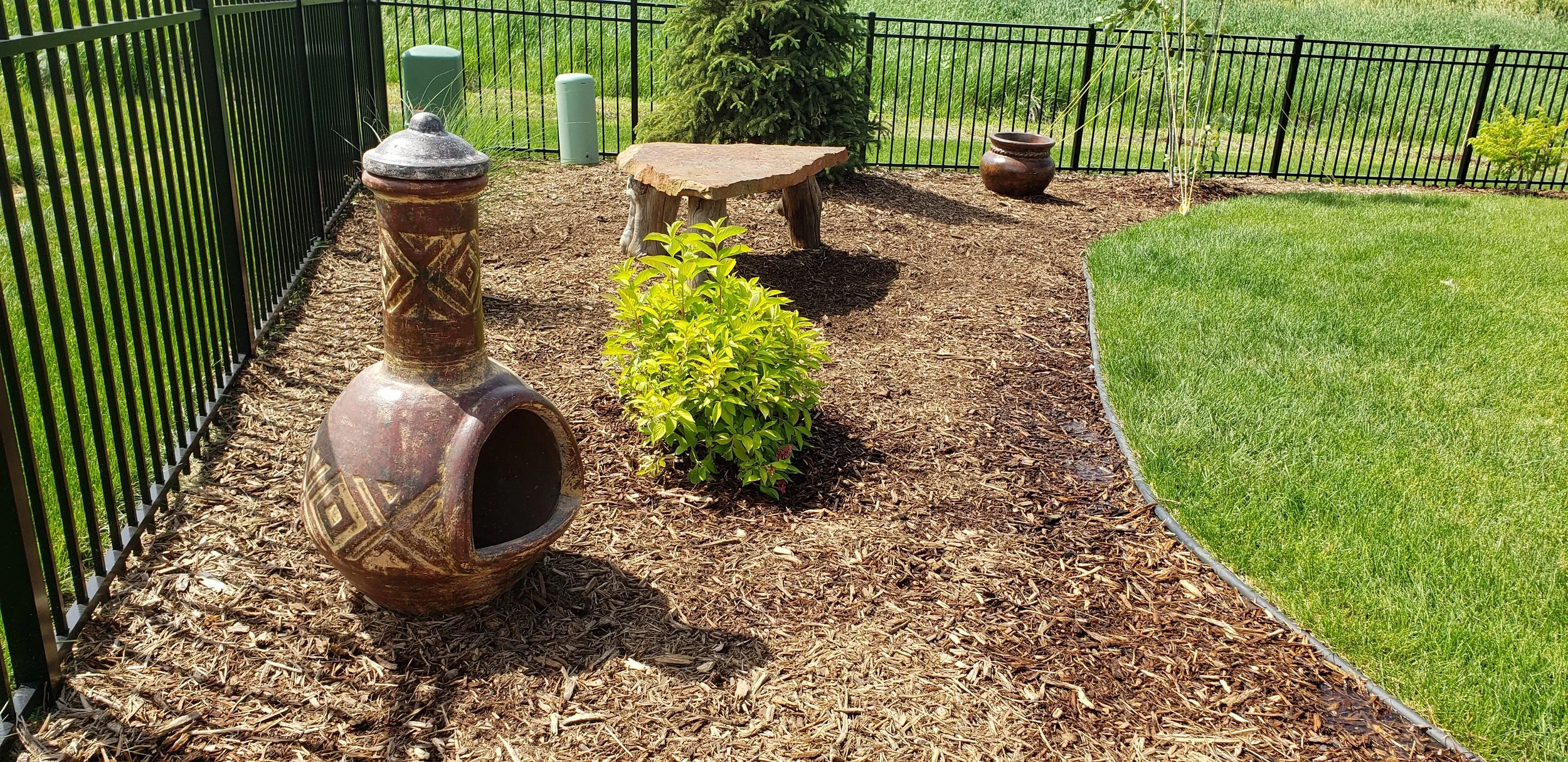
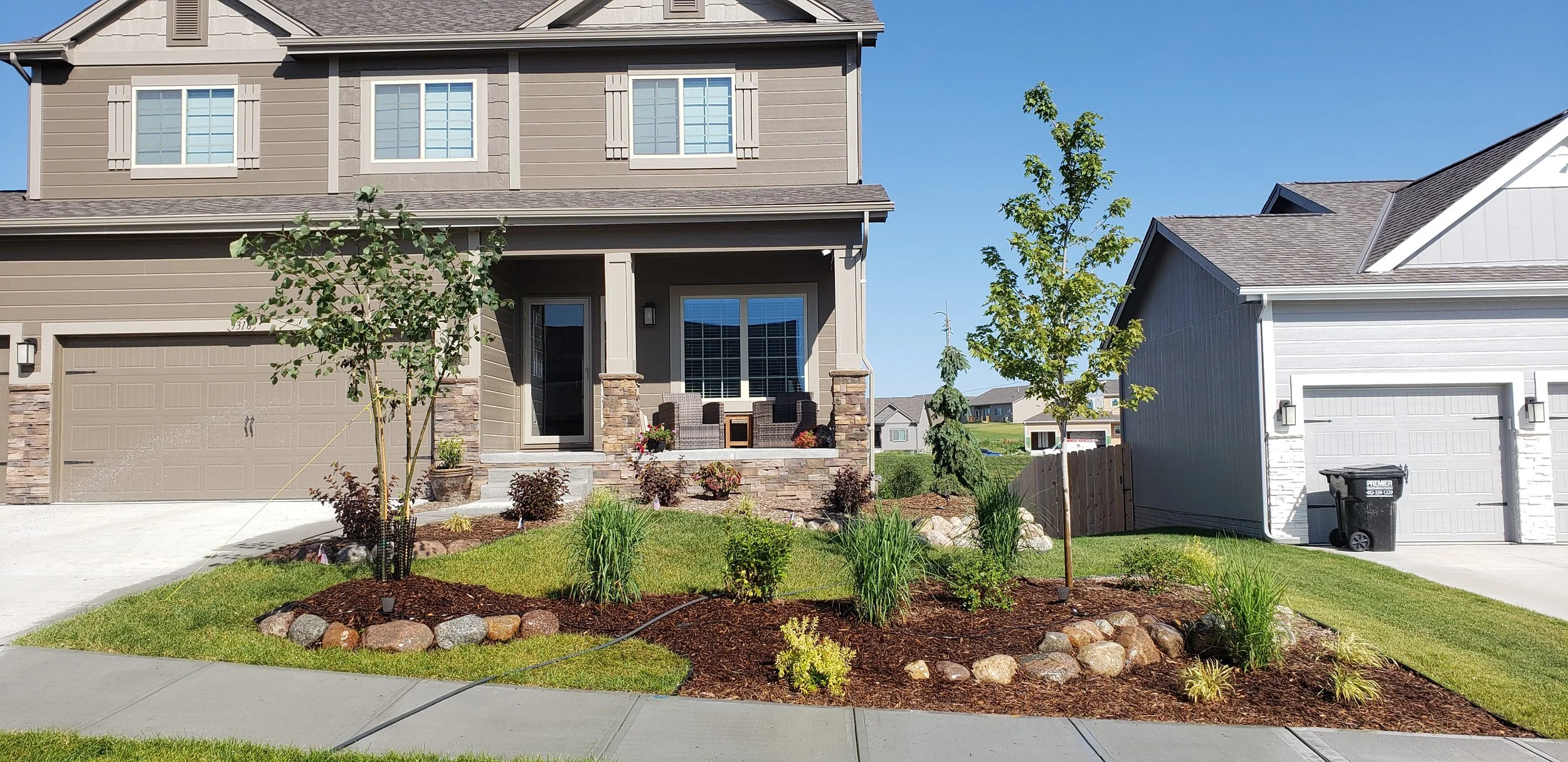
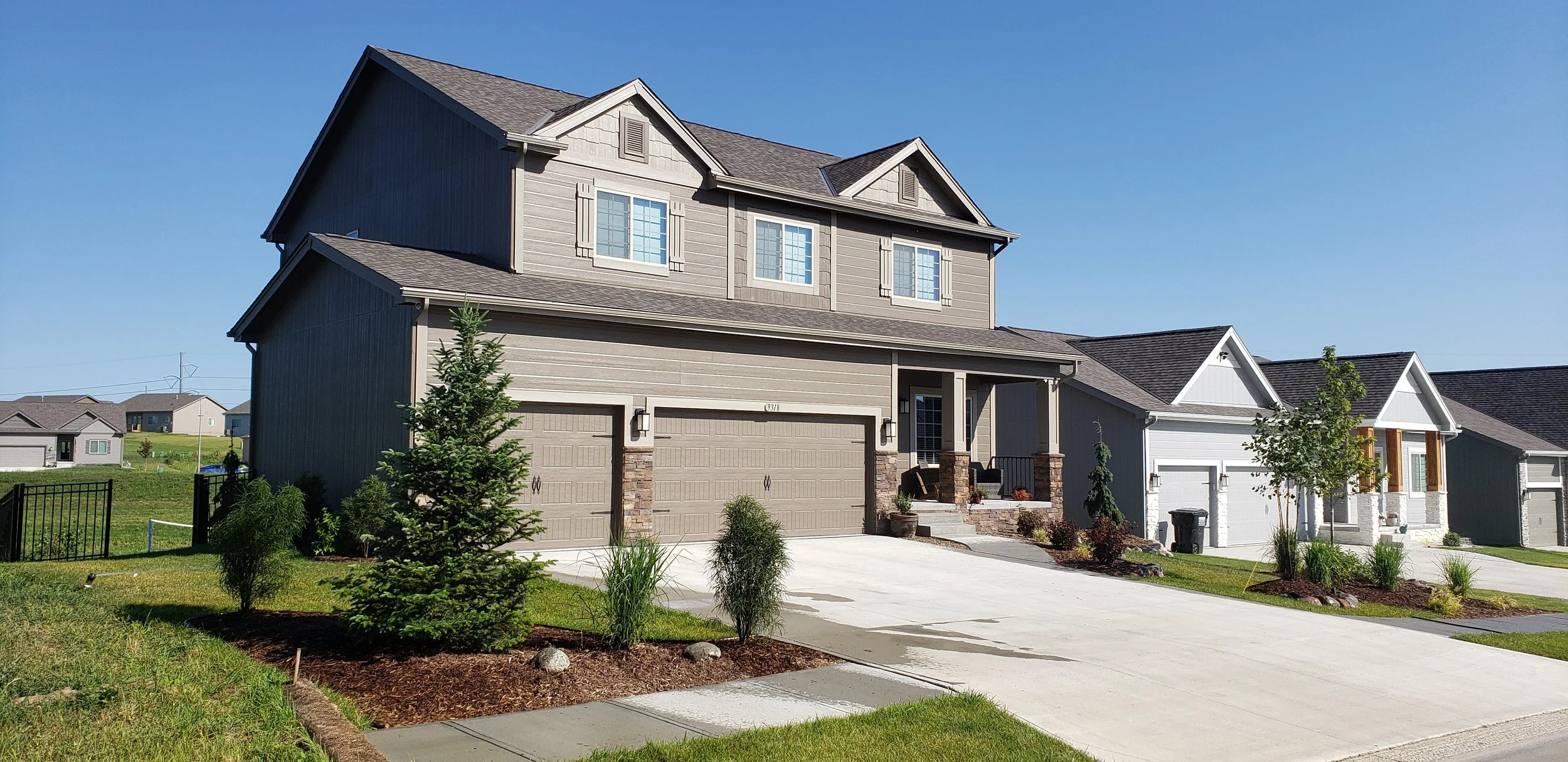
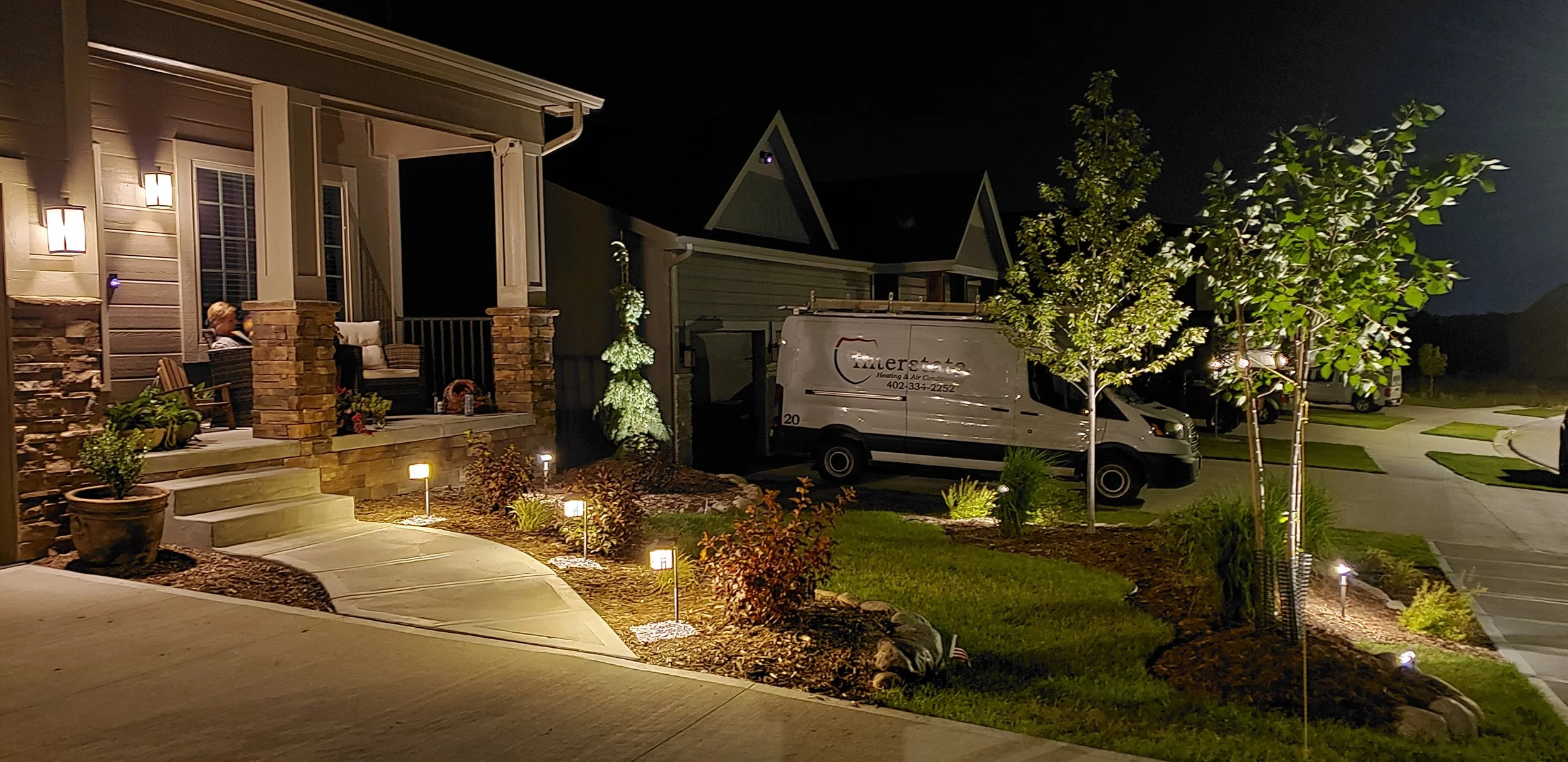
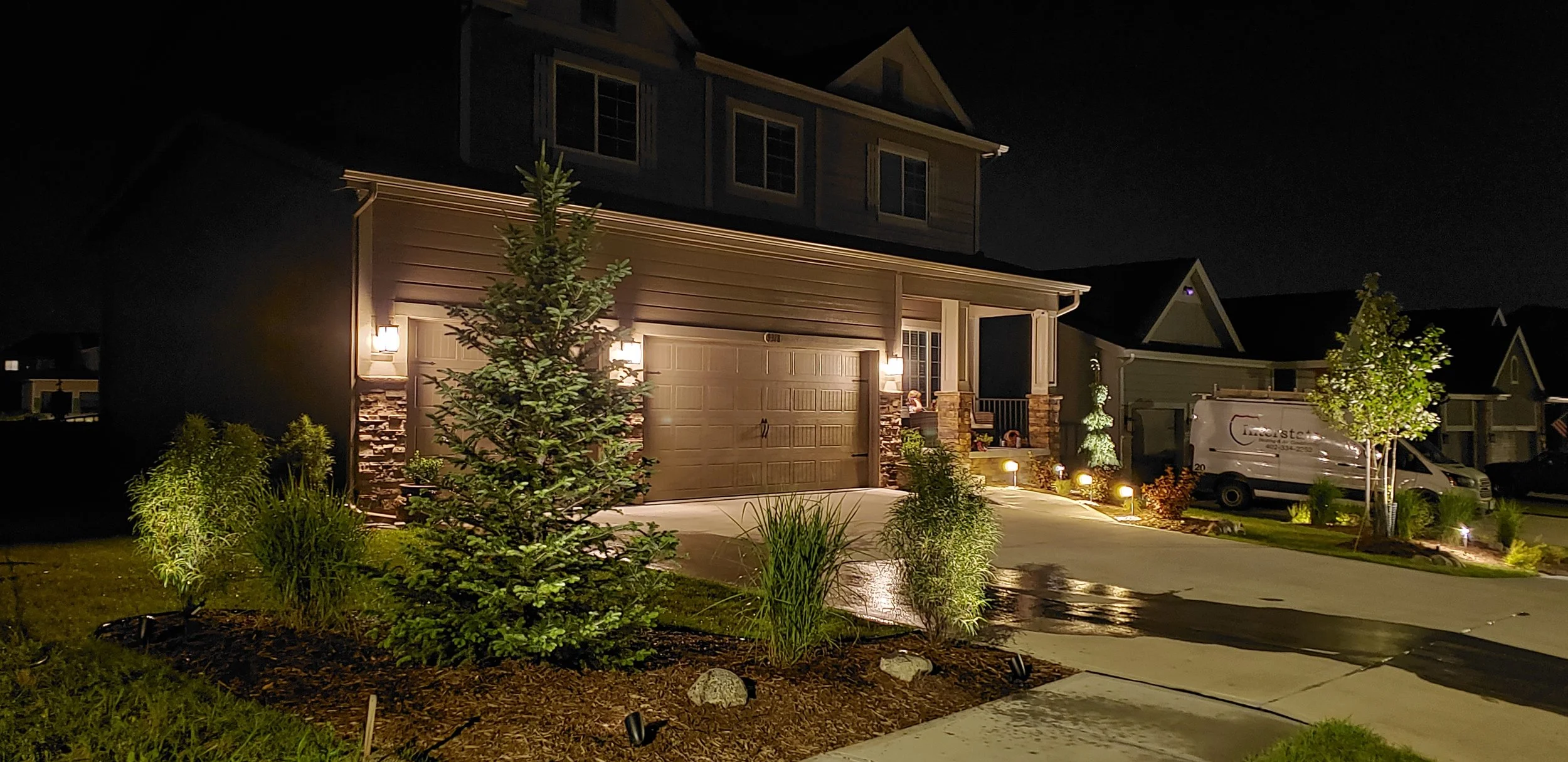
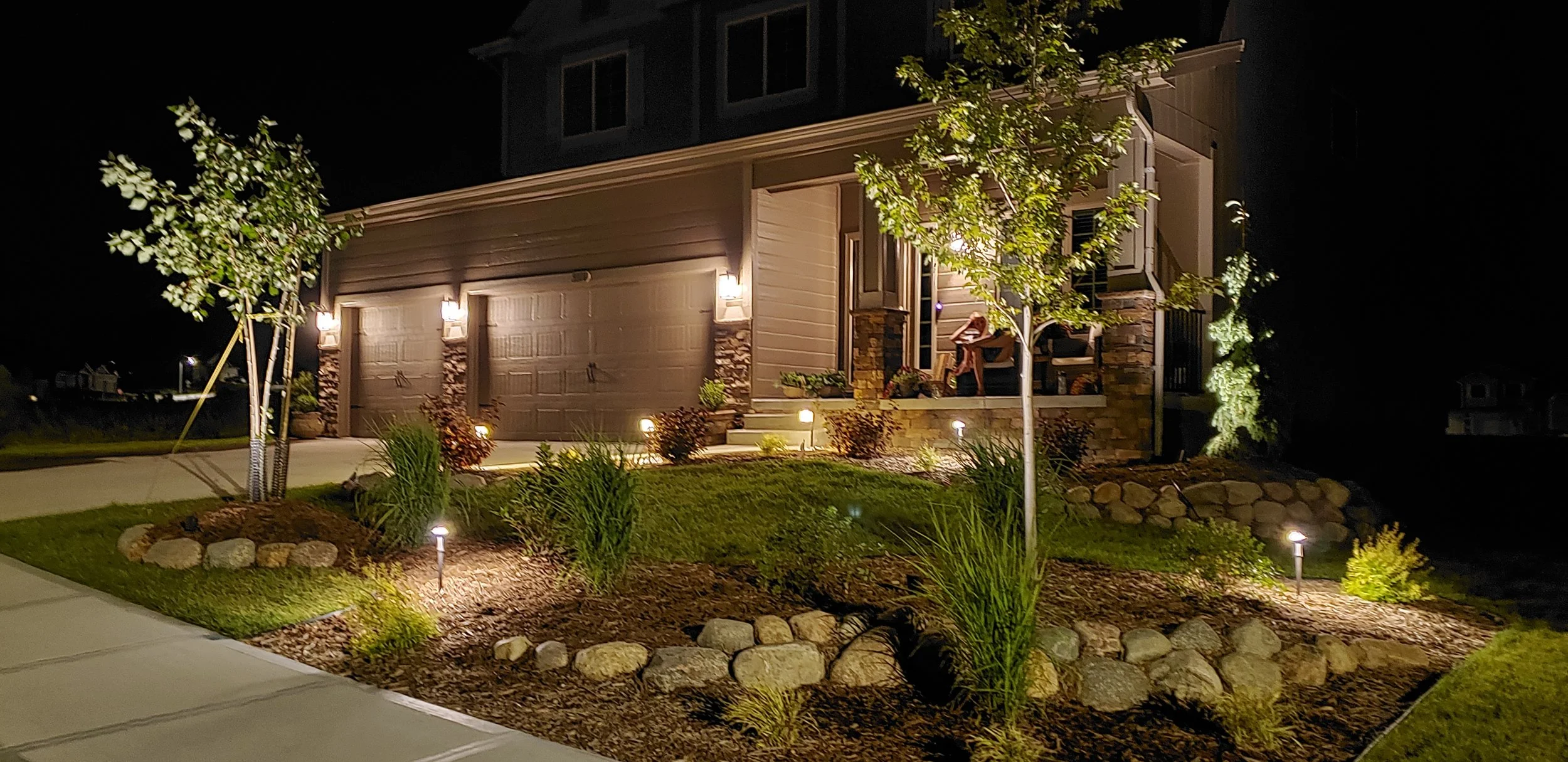
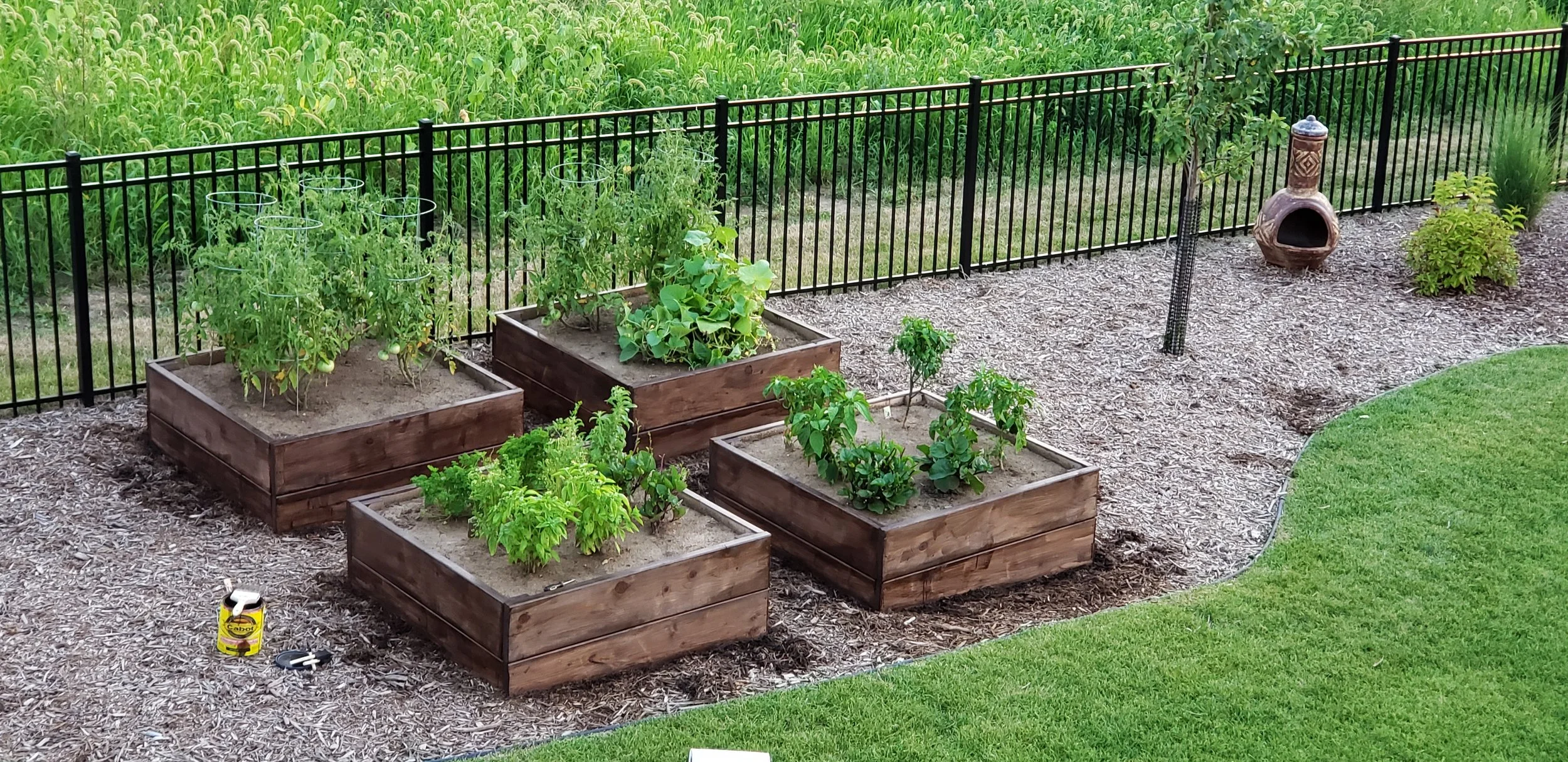
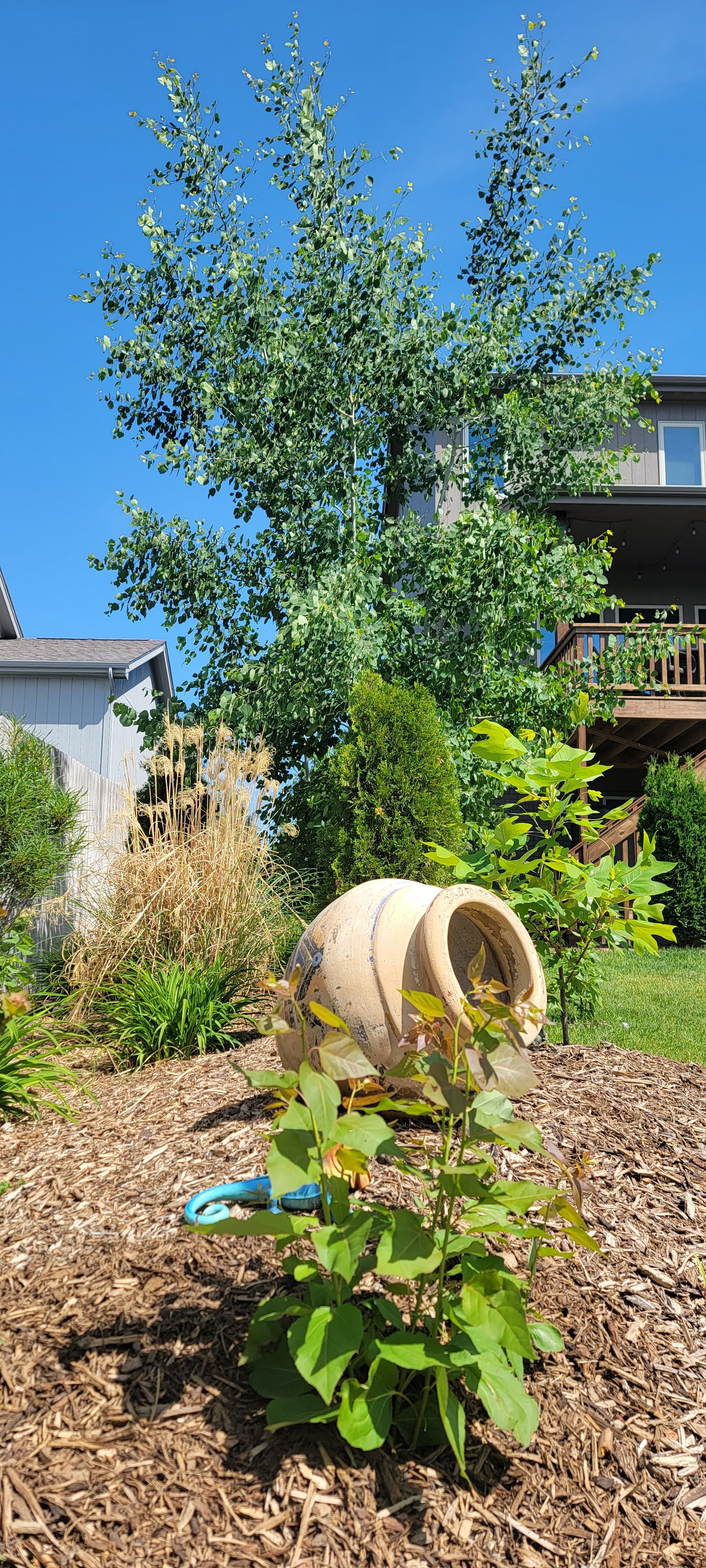
By the end of the second and third summer, things were taking shape. Trees usually take at least 2 years to recover from being transplanted, and grow their root system back. There were enough trees and bushes that they would start to growing and spreading roots through parts of the yard.
By the 4th year, the spreading trees and shrubs that were planted began to fill parts of the yard. Prairie Gold Aspens, Tiger Eye Sumacs, and a variety of fern all spread their root systems and pop up new trees/shrubs over time. This was the desire, so the planted areas would spread without cost or effort.
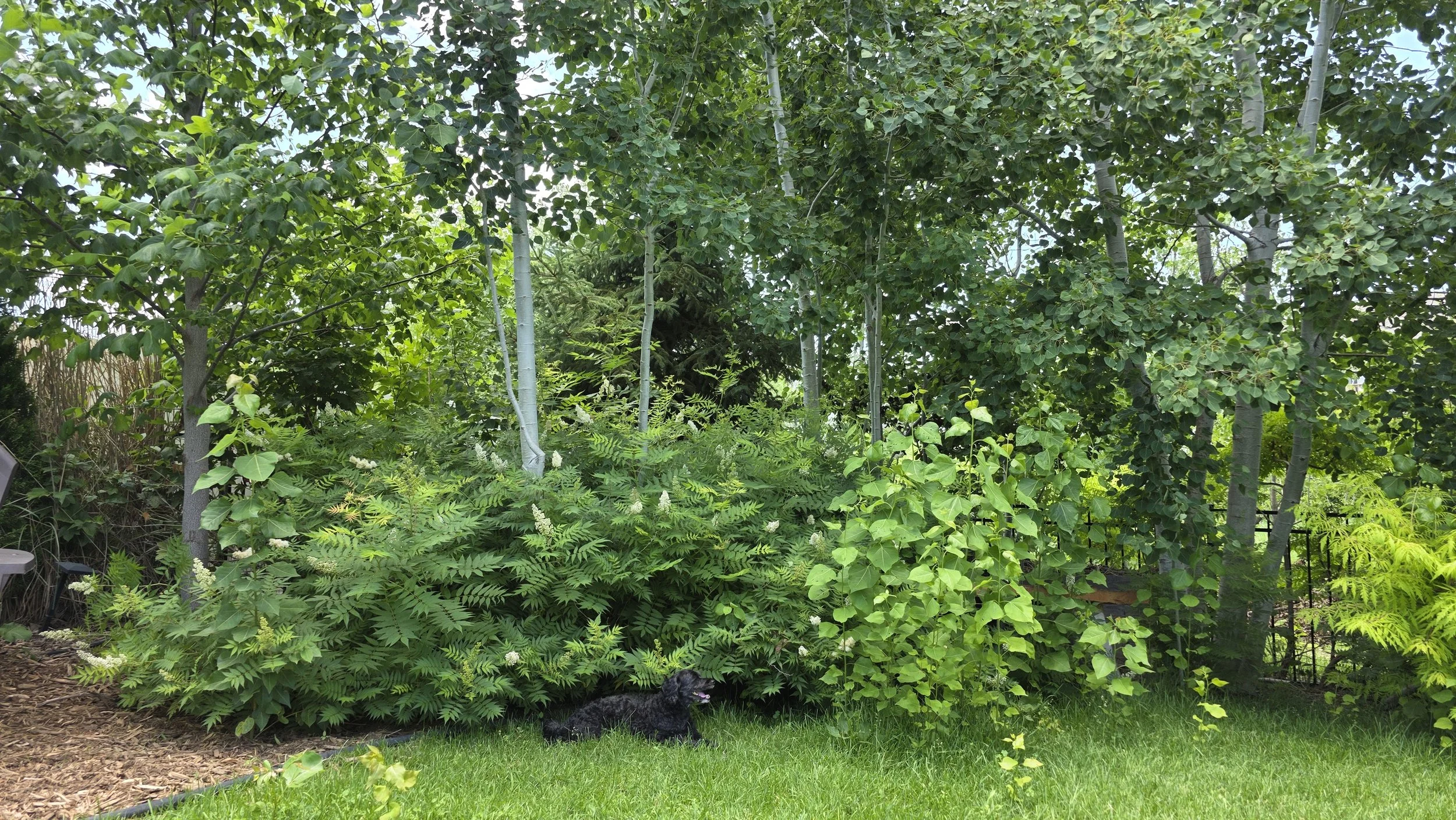
Spreading ferns and Aspen Trees, with Tiger Eye Sumacs coming into the picture on the right.
In some of the areas well covered by the spreading plants, nature was allowed to take over to see what happens. Nature knows best, and brings in the life needed by that area. Some interesting ones that grew in but not never planted were Elderberry and Catnip. Some haven’t been identified yet.
Weeds do start to grow in areas of the yard. It’s important you rethink what weeds are. Weeds are just unwanted plants. You may just need a new perspective for those to become wanted plants. For example, clover and dandelions are considered weeds by most. The probably showed up because your lawn needs them.
Dandelions root deep. When they die off later in the year, the roots turn to compost and the eventual empty root paths allow deeper transfer of organic material, water, and air. This is excellent for clay or compacted soil. Breaking up the hard ground also makes it easier for earth worms to take up residence in your yard and being to pull organic matter deeper into the ground.
Clover is excellent for your soil. While grass only consumes nitrogen, clover takes atmospheric nitrogen and puts it into your soil. It gives your land something it needs, all without having to buy it or pay for it to be dispersed!
There is a difference between the grass in our yards and natural grasslands. The biggest one is we cut our grass instead of let it grow. Tall grasslands have great soil underneath. Tall grass was planted in many locations on this property to get the roots sink deep and heal areas of the soil.
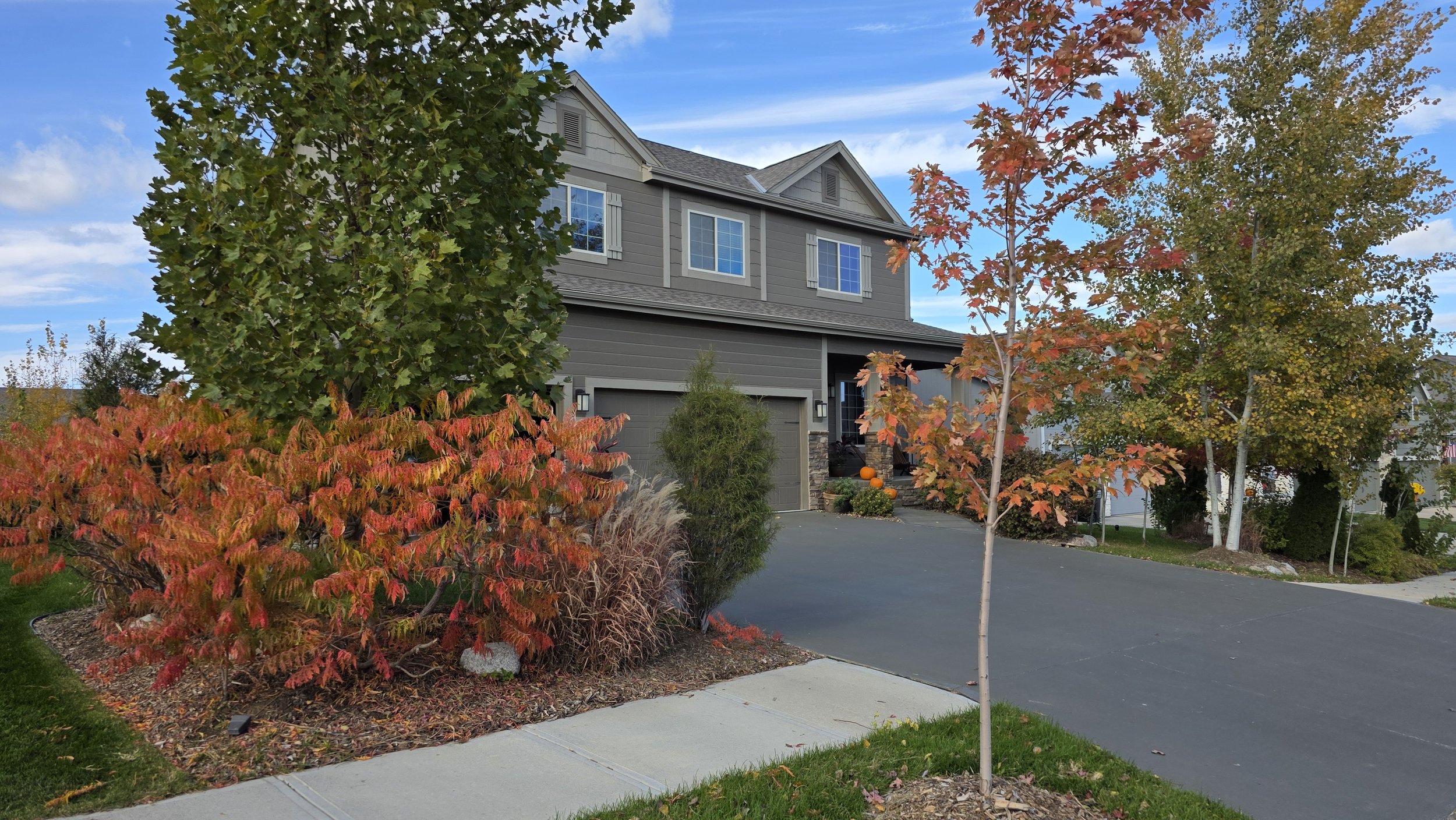
Year 5 of the transformation
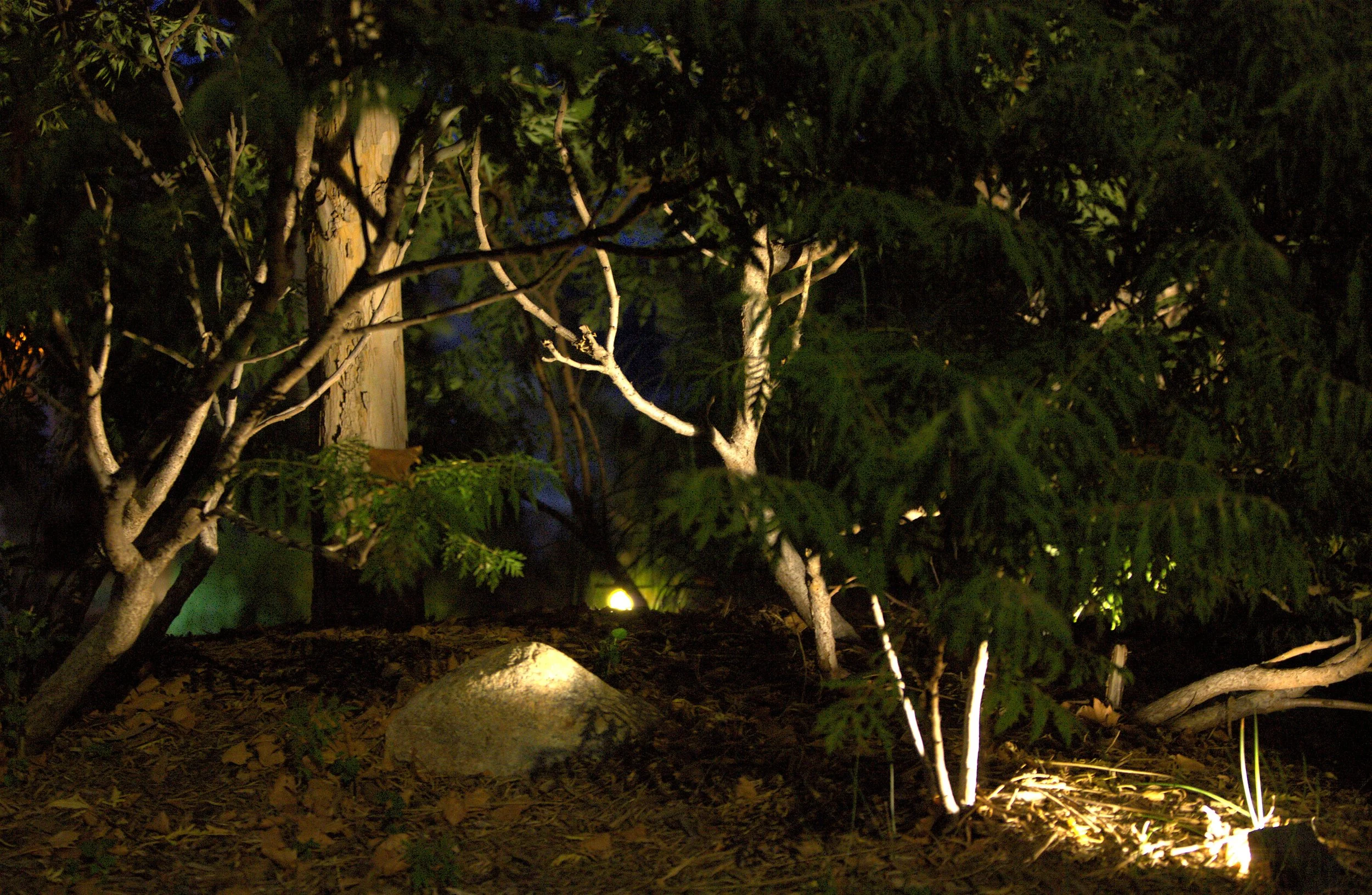
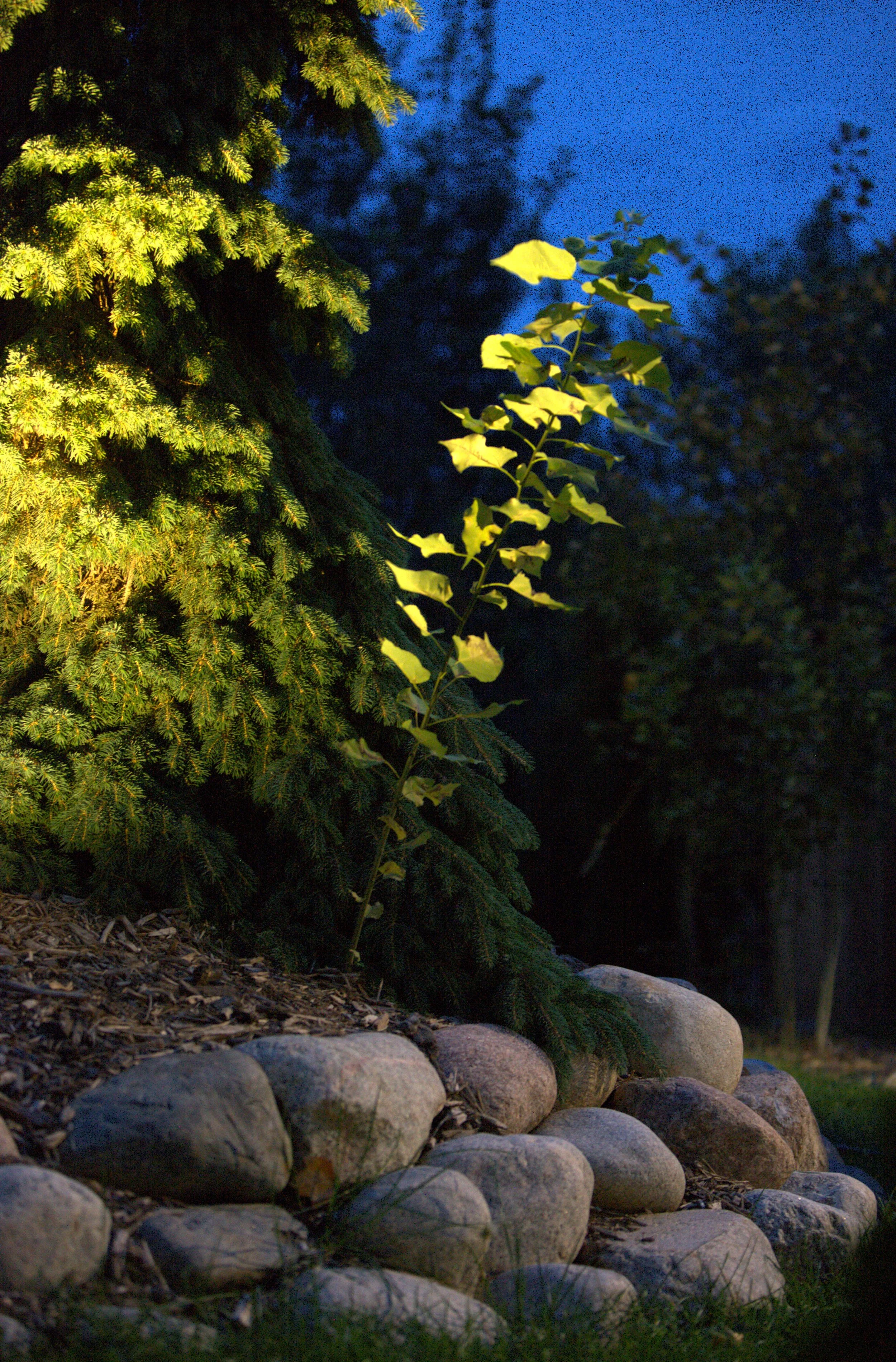
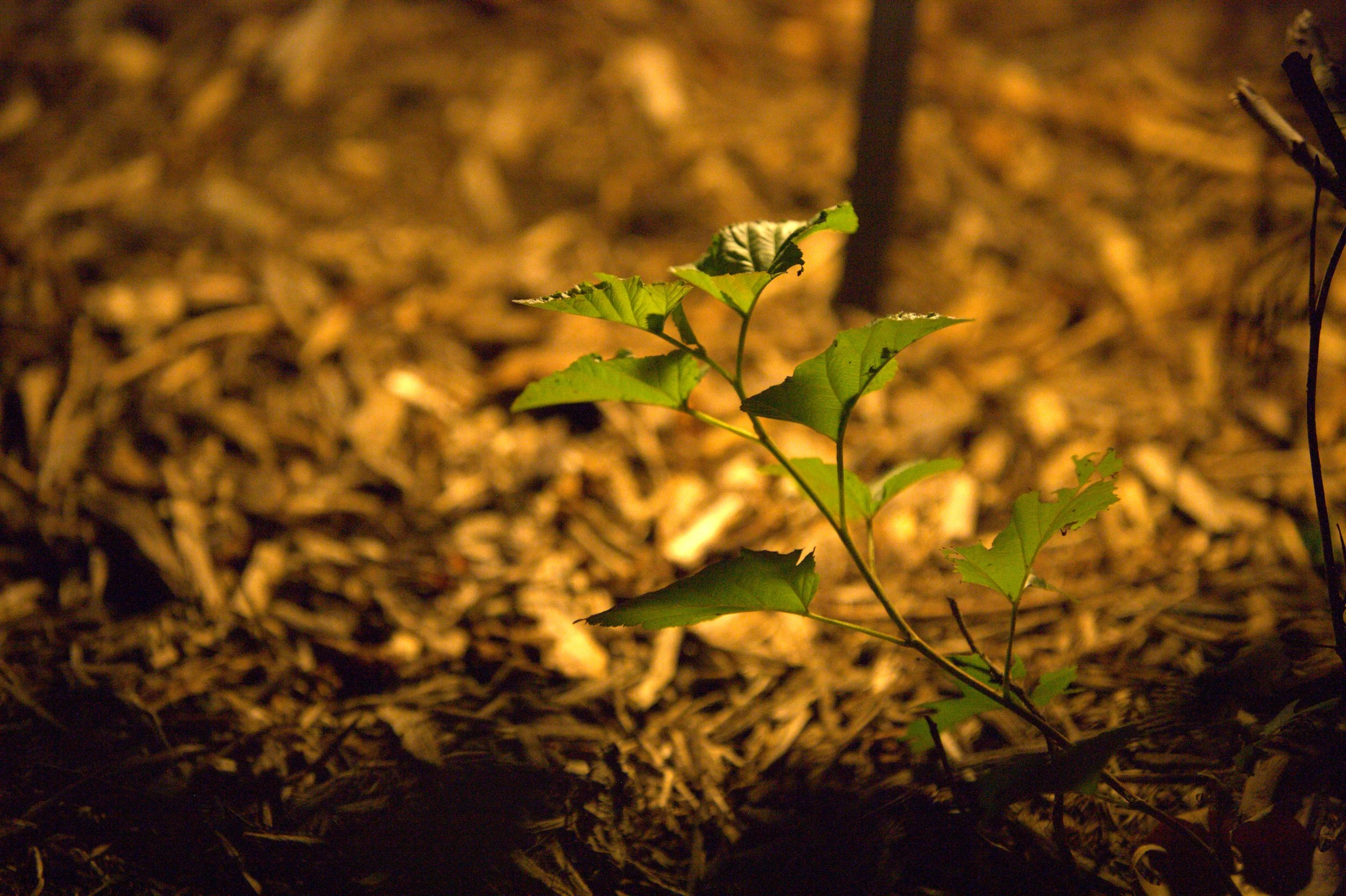
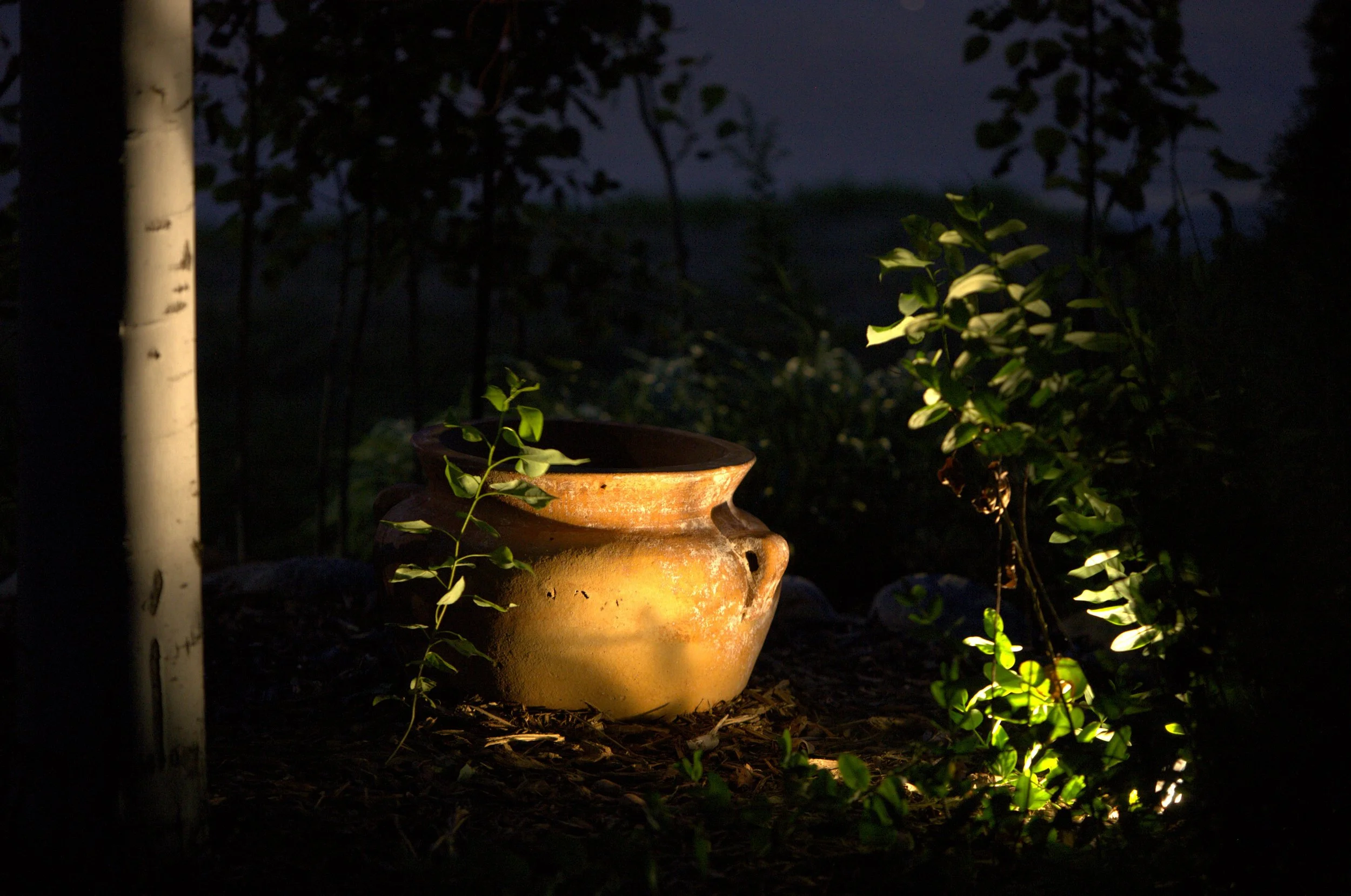
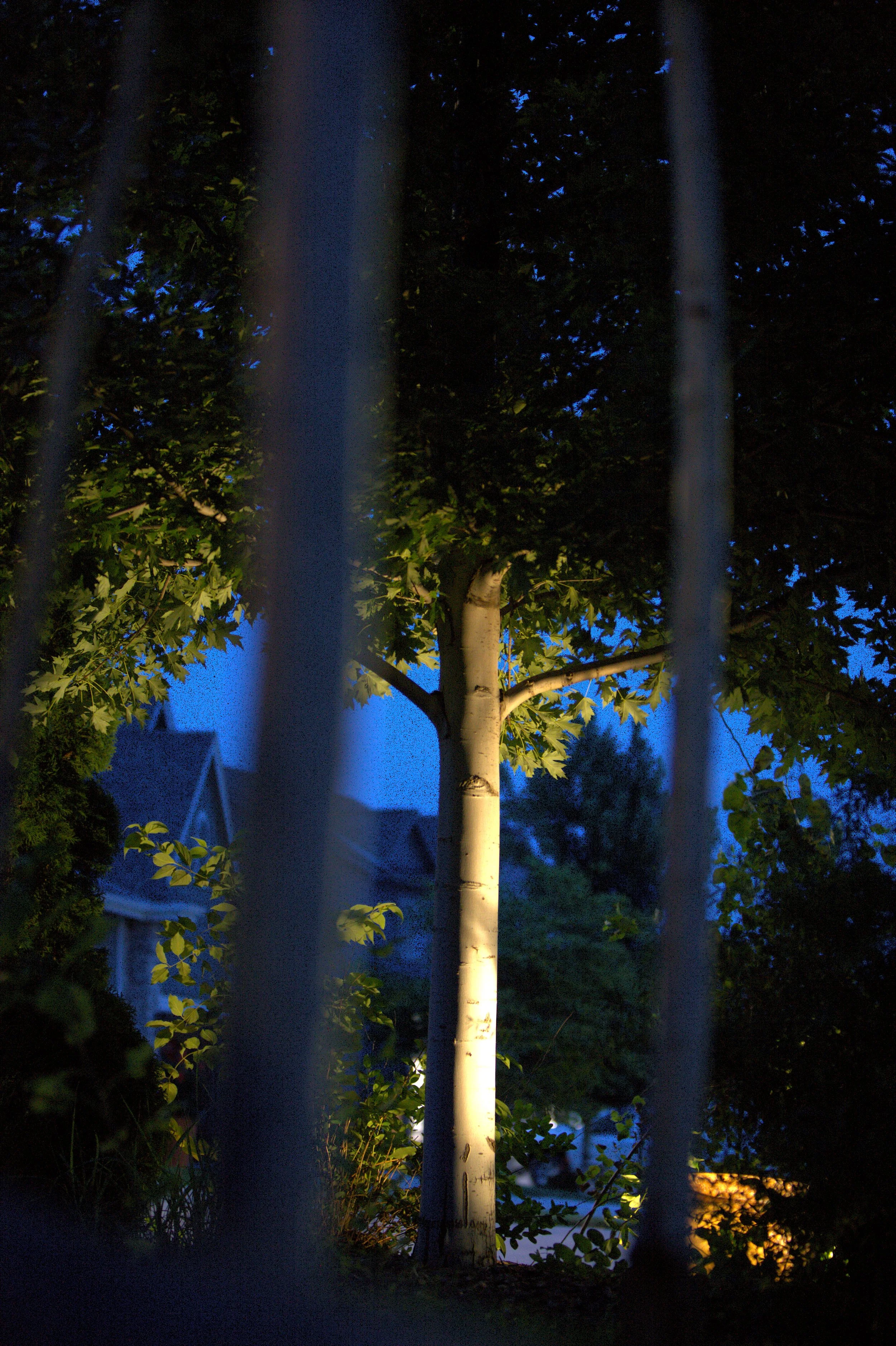
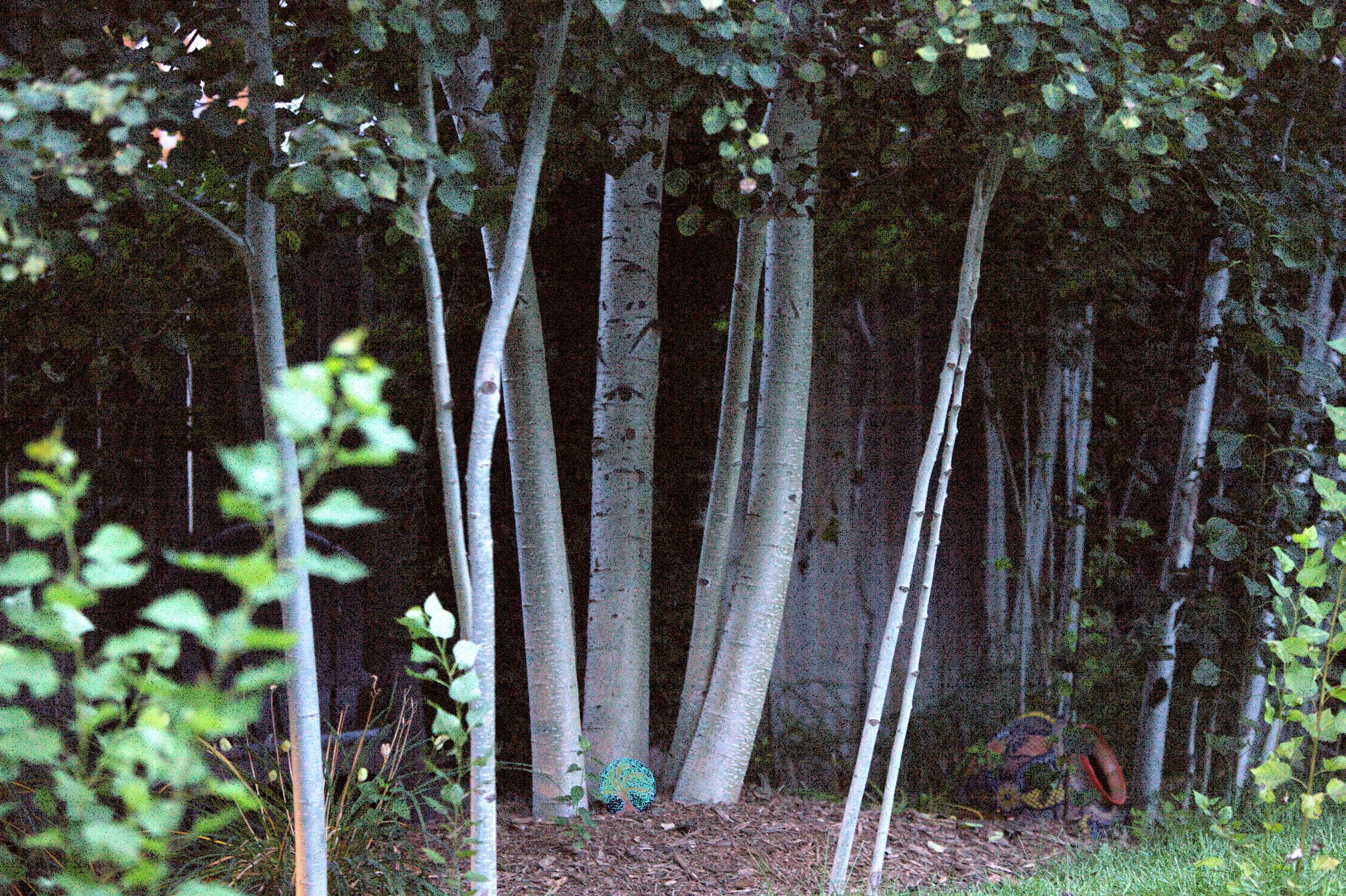
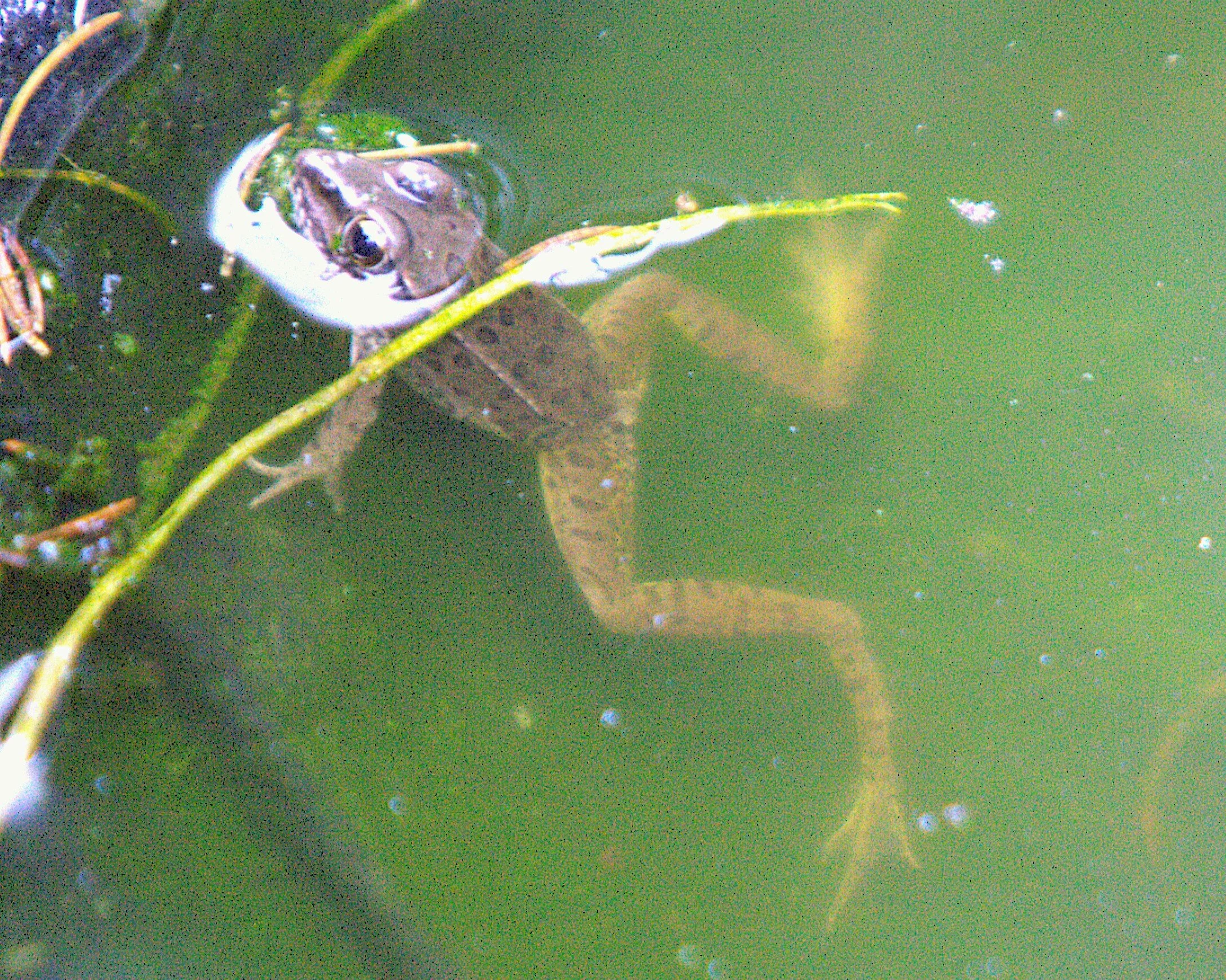
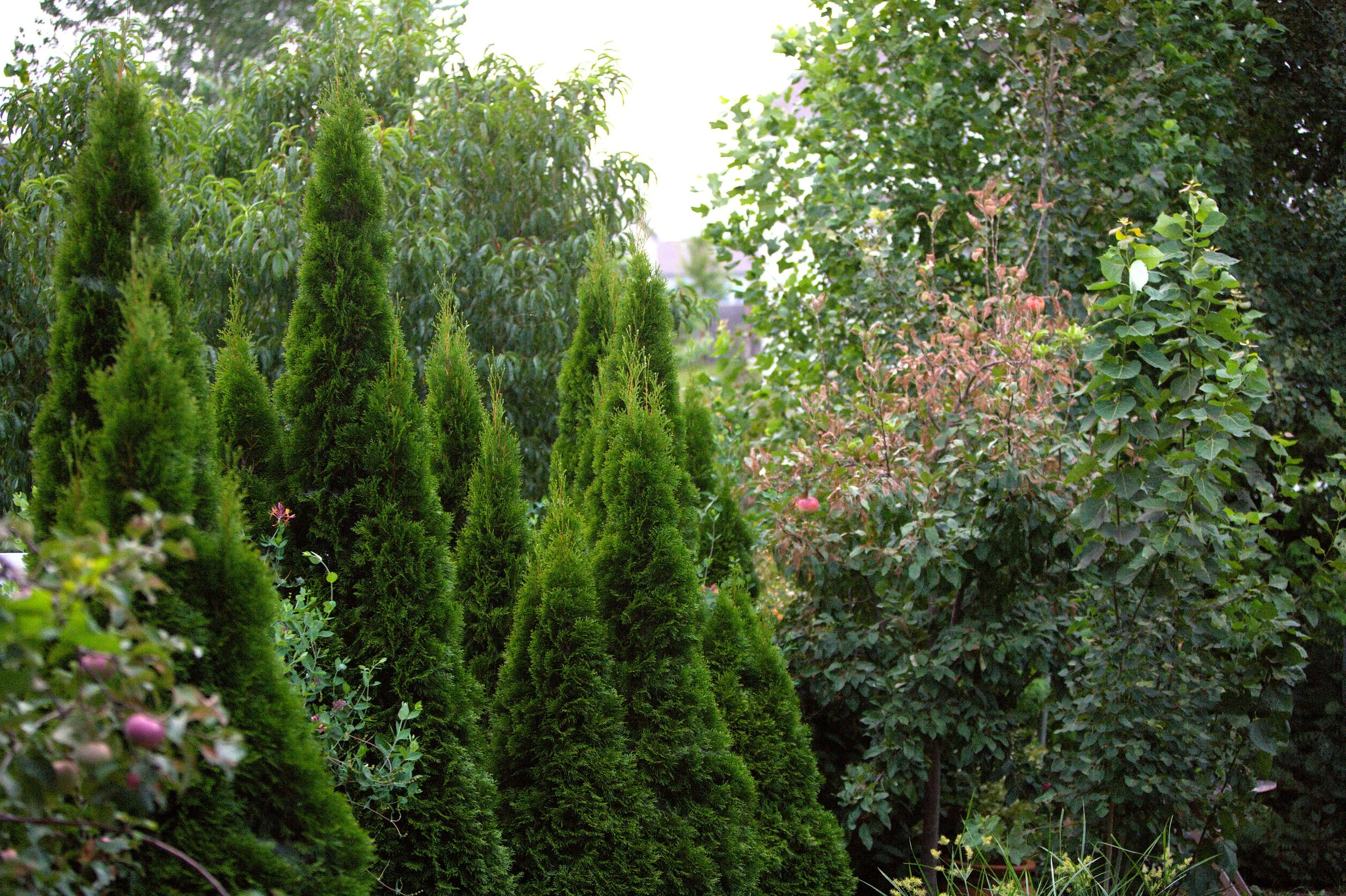
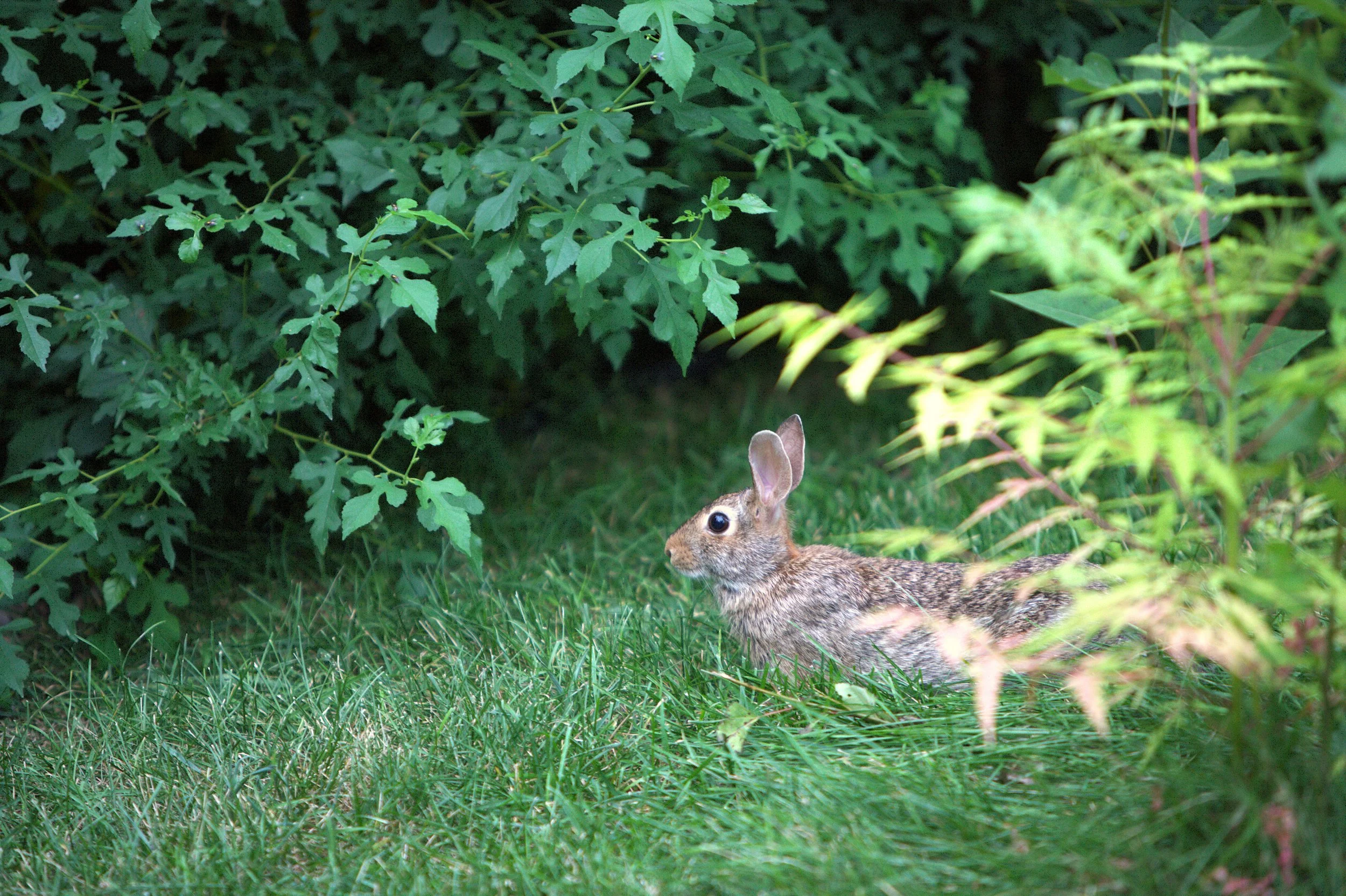
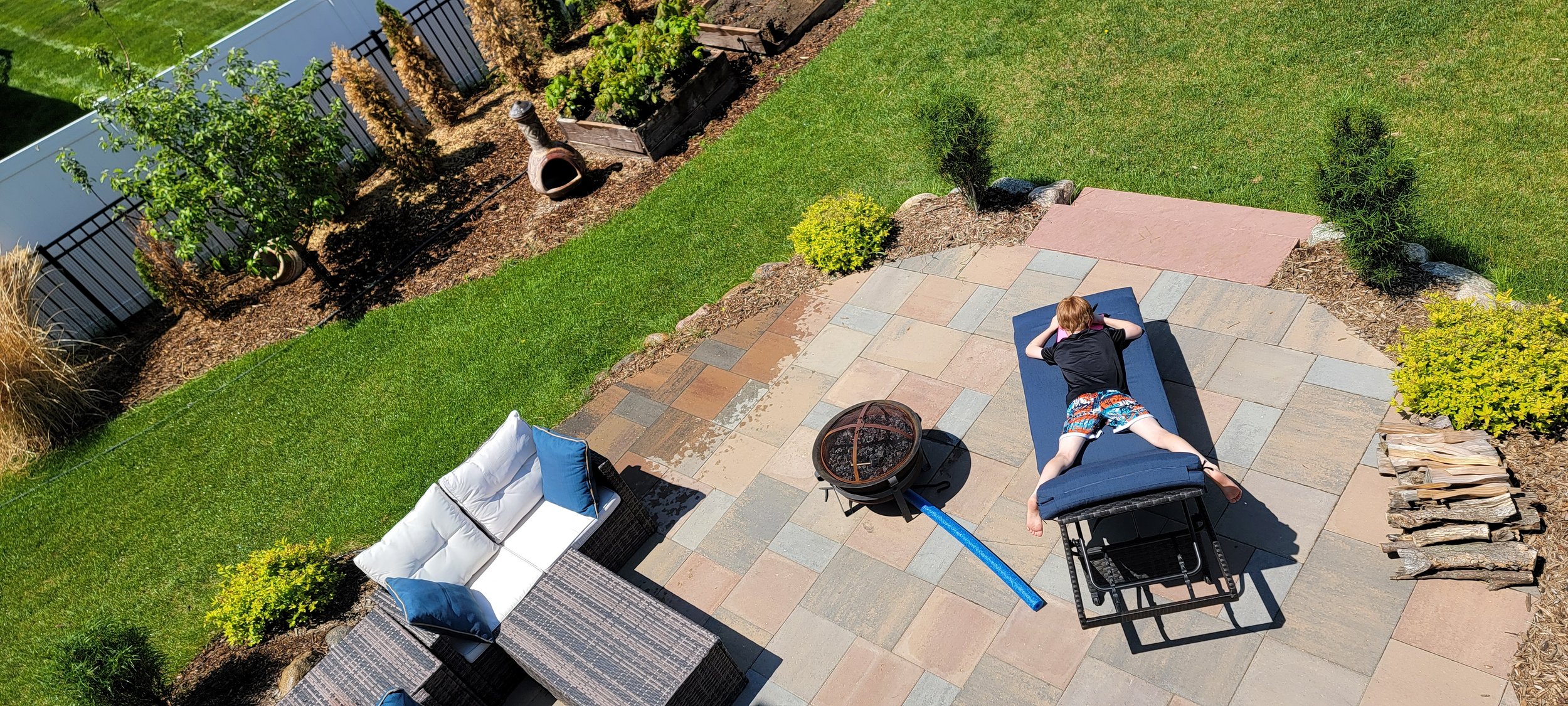
Some recent images of this property